







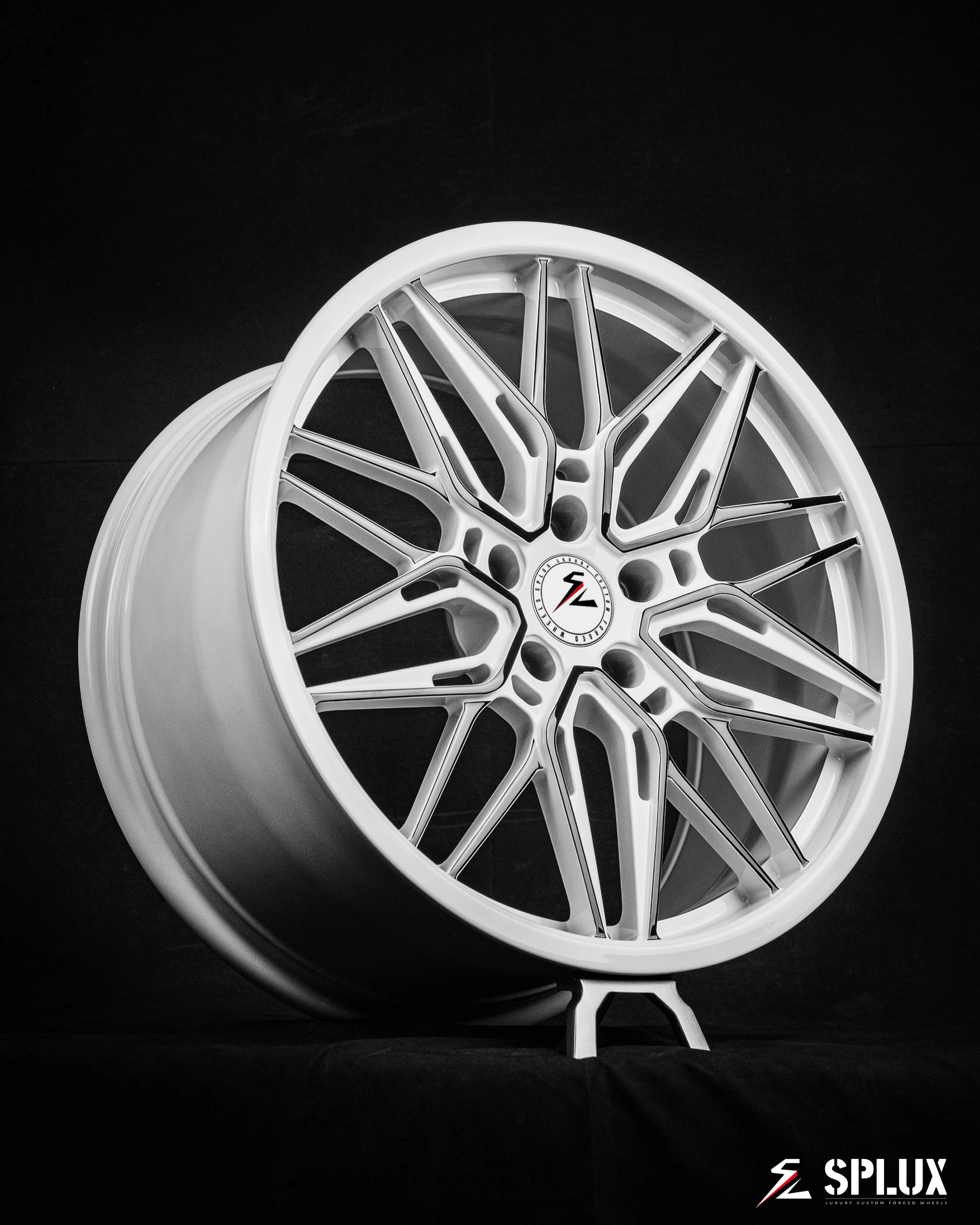
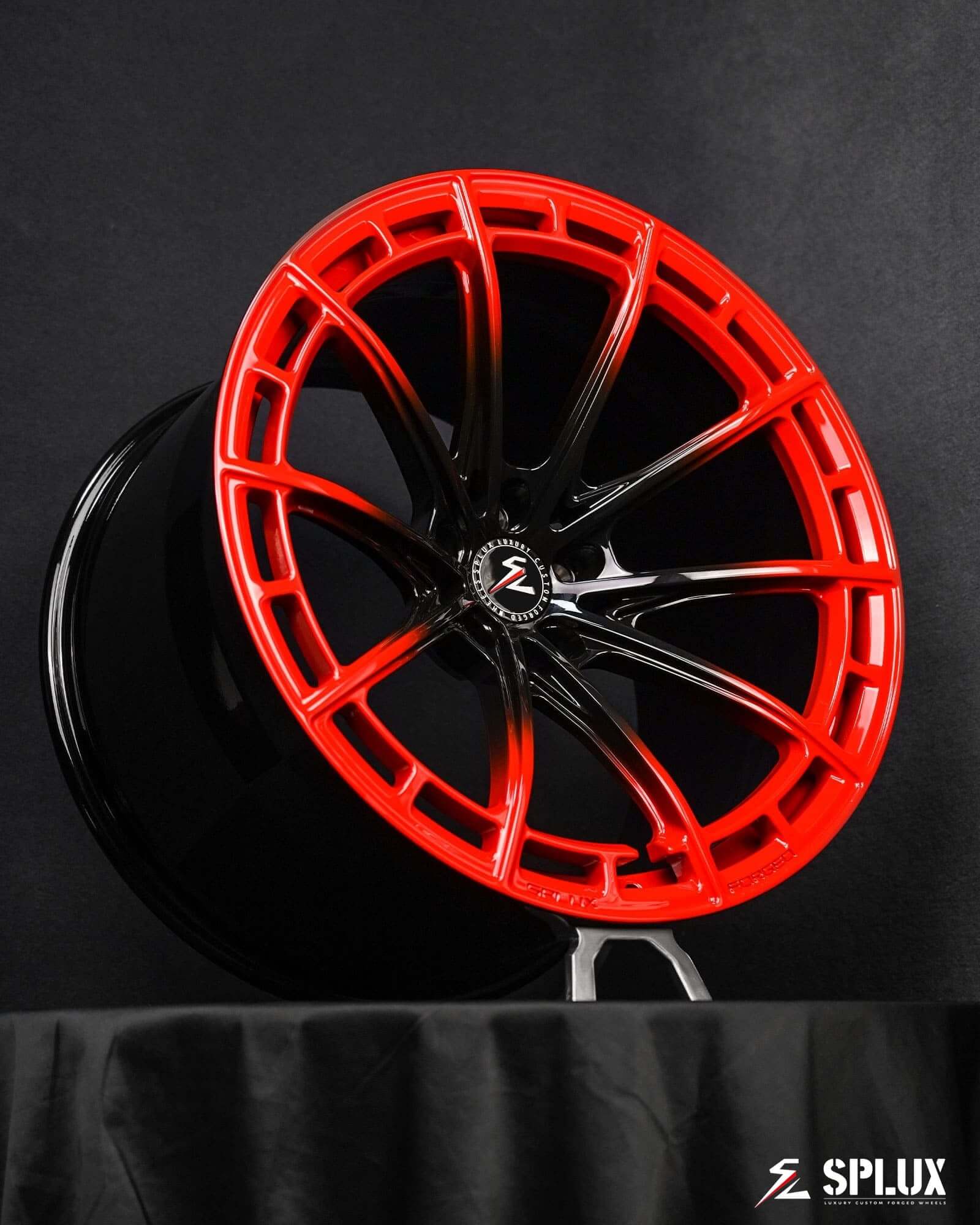
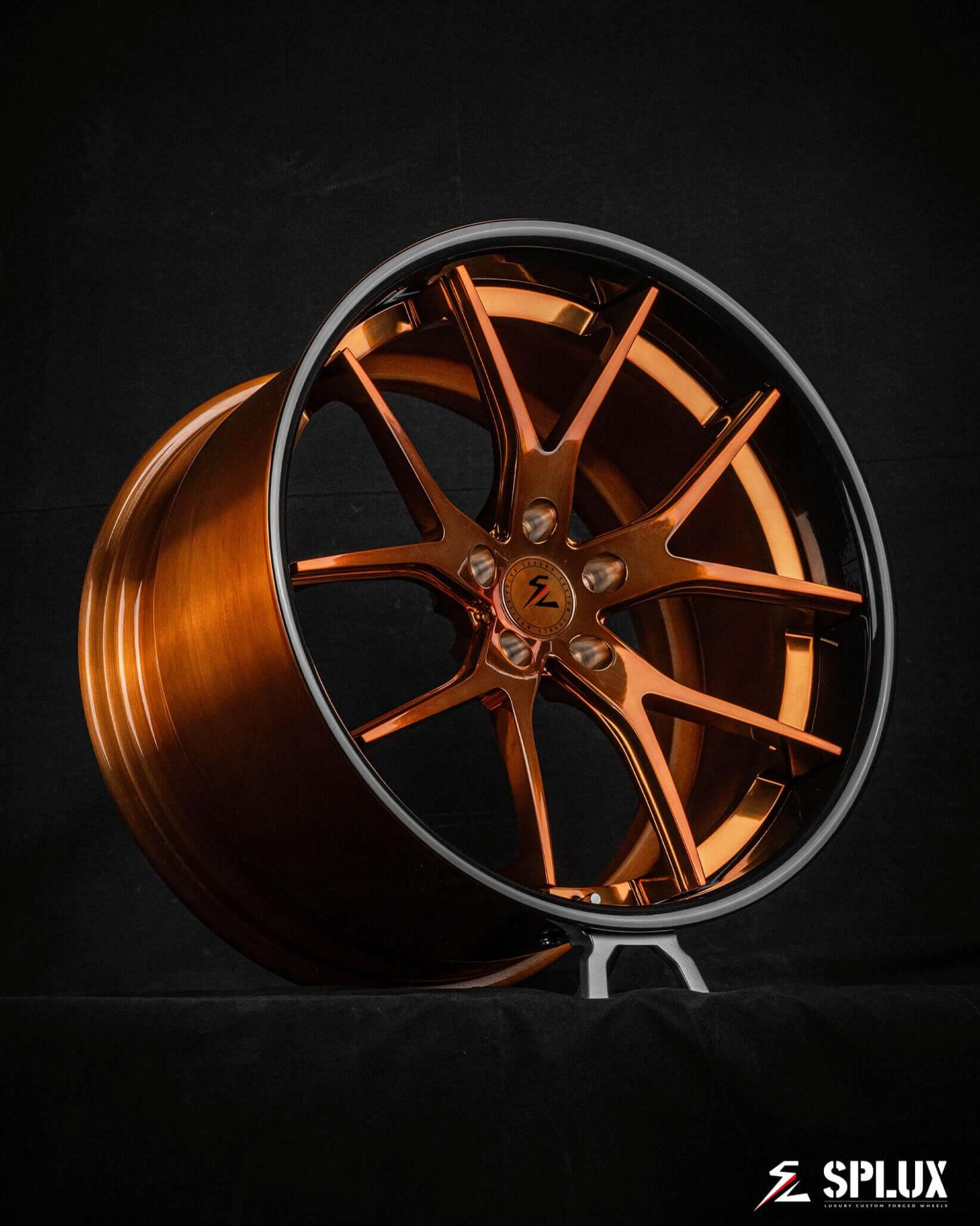
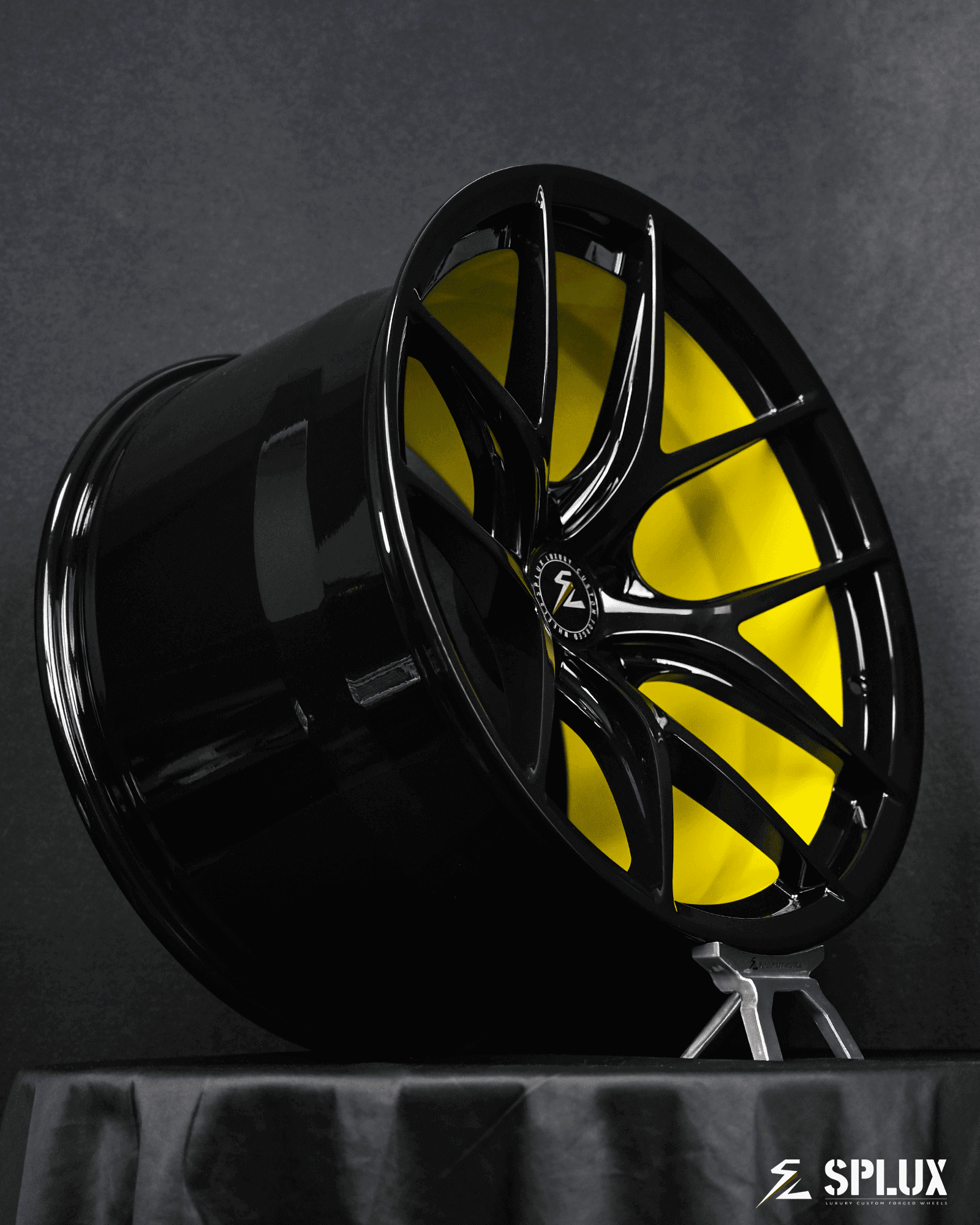









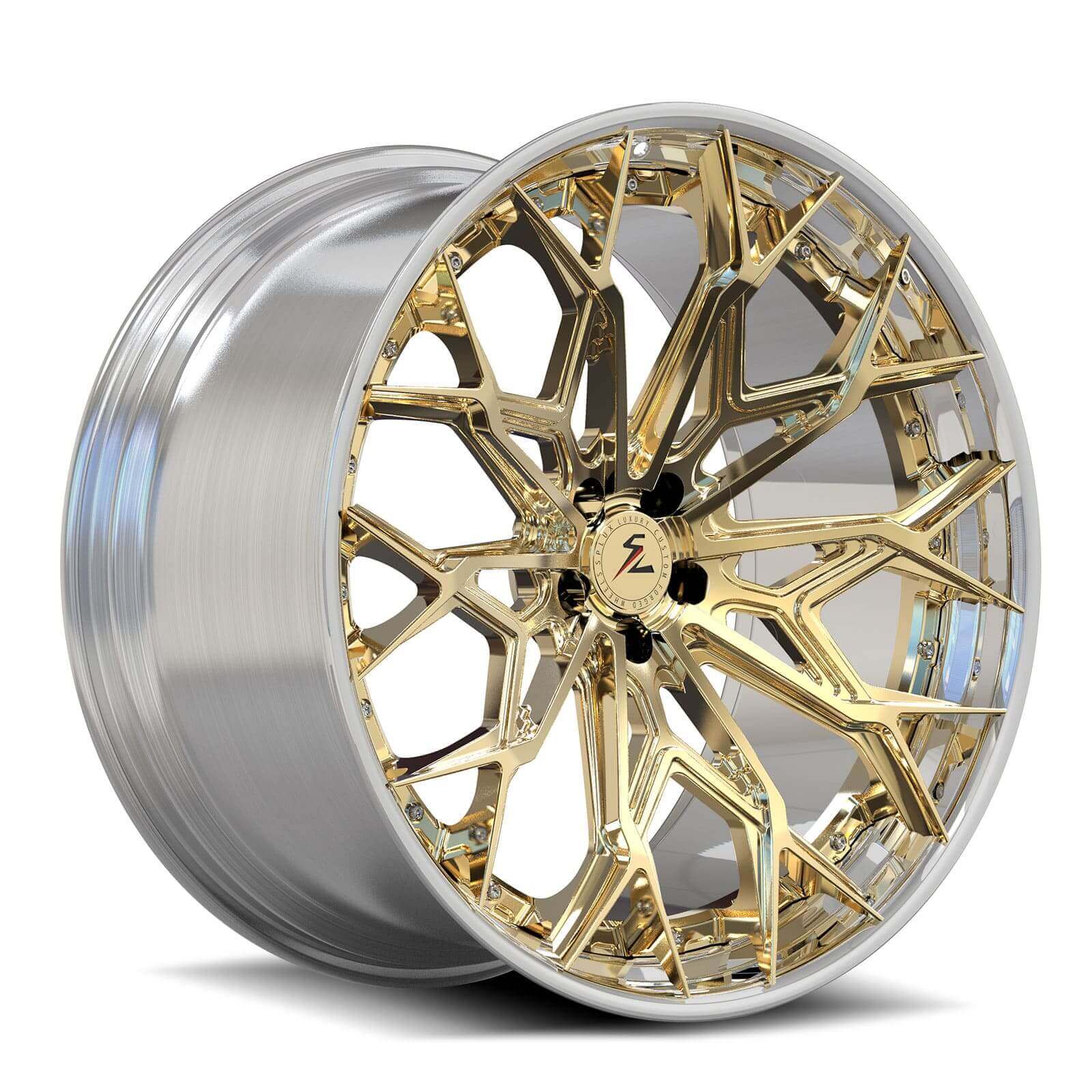
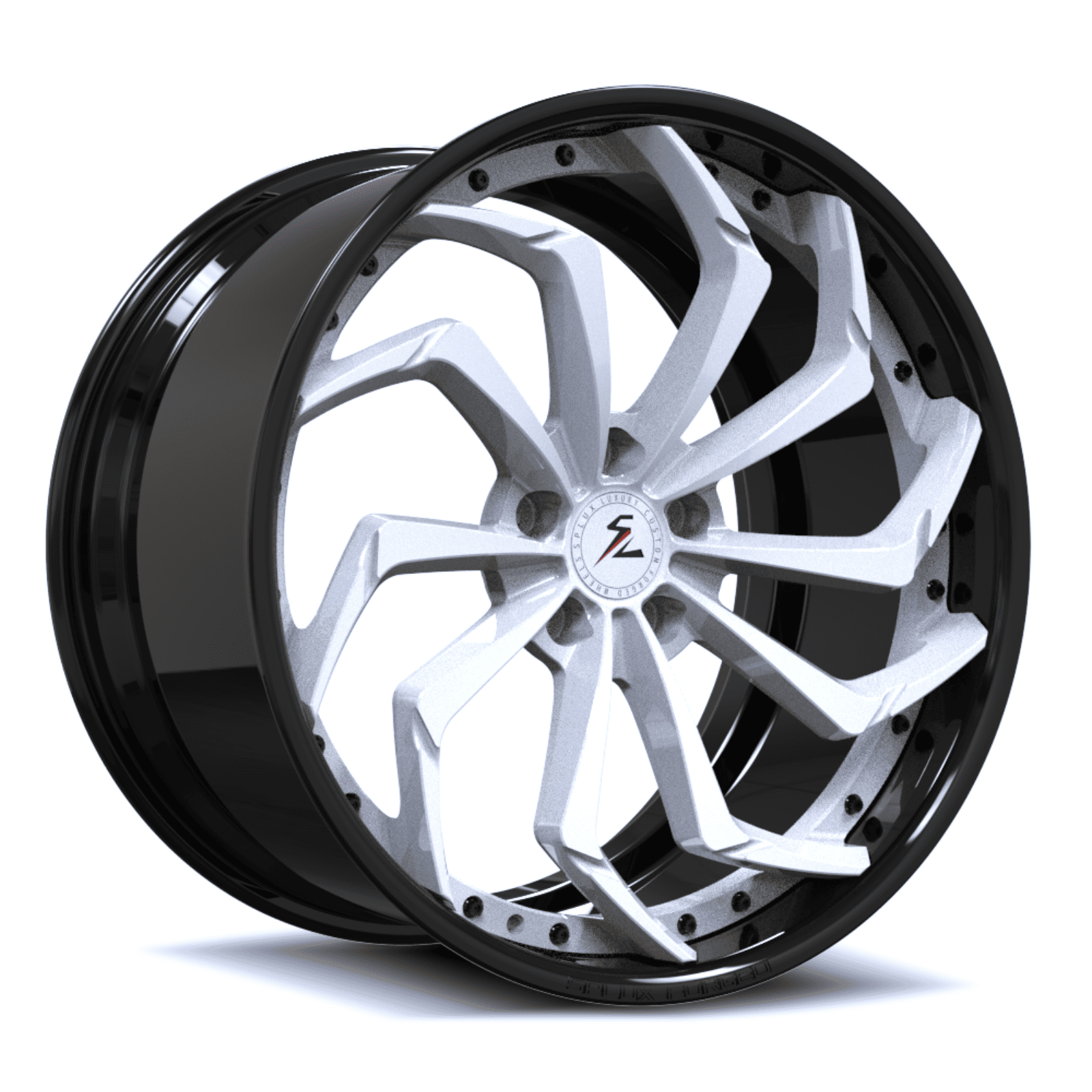
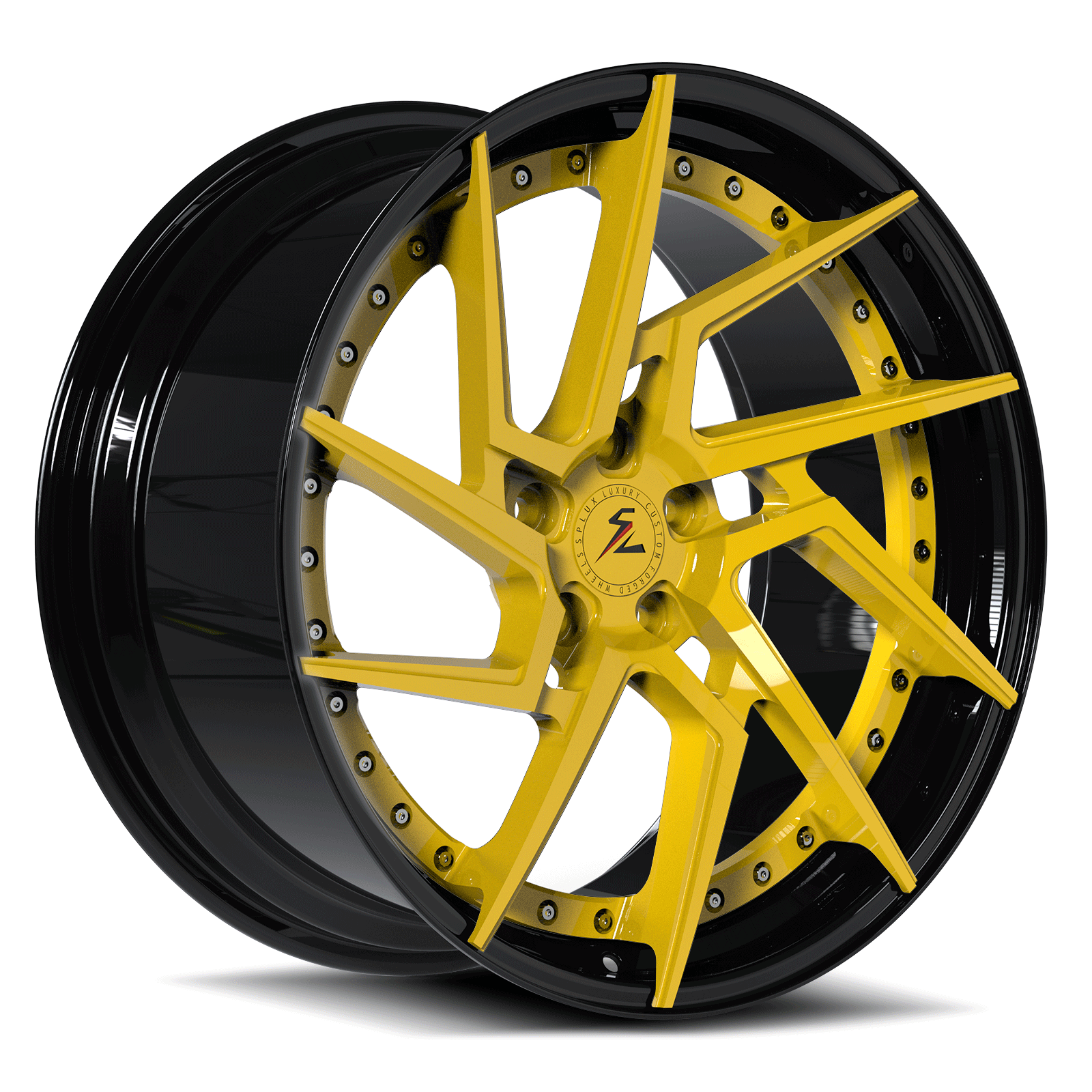


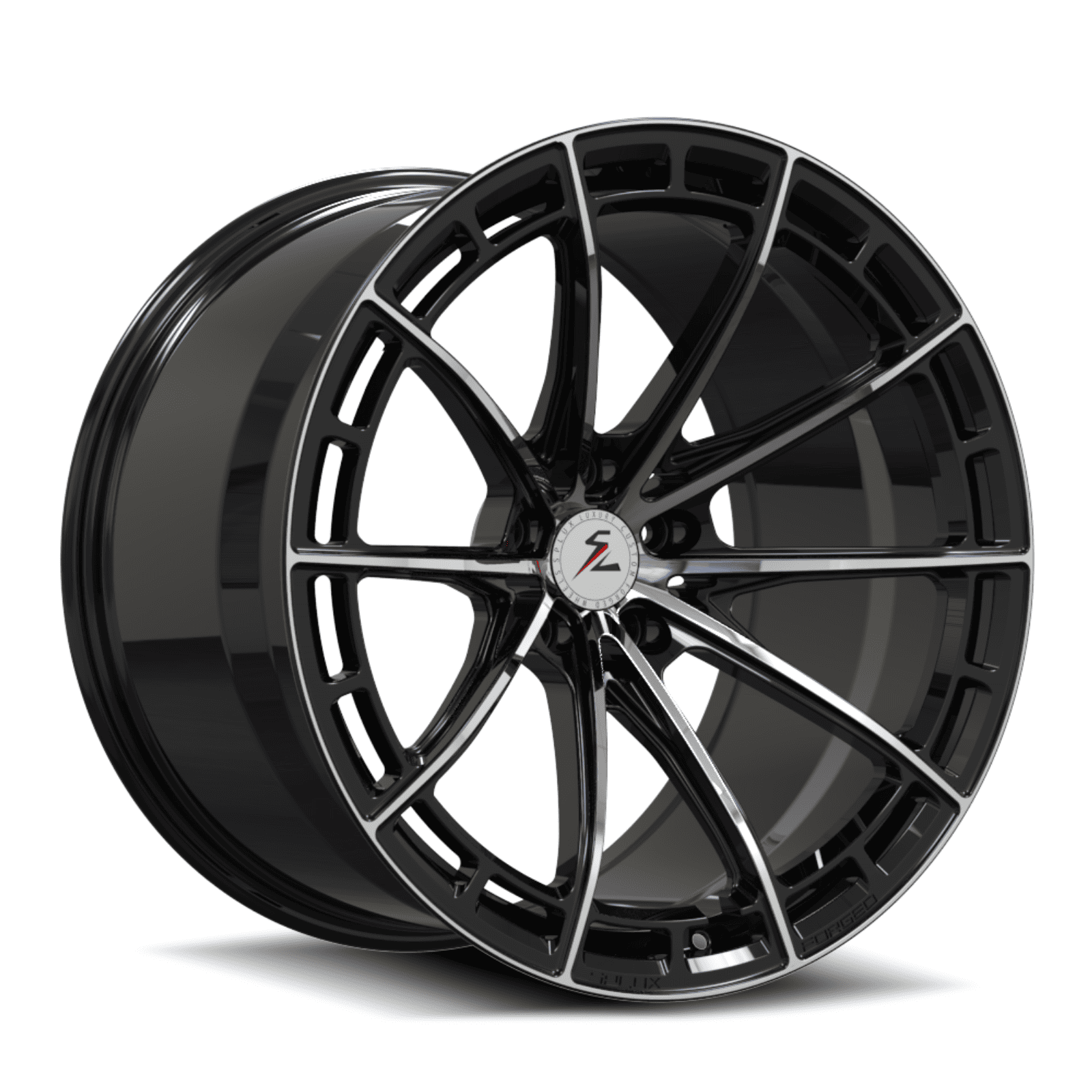


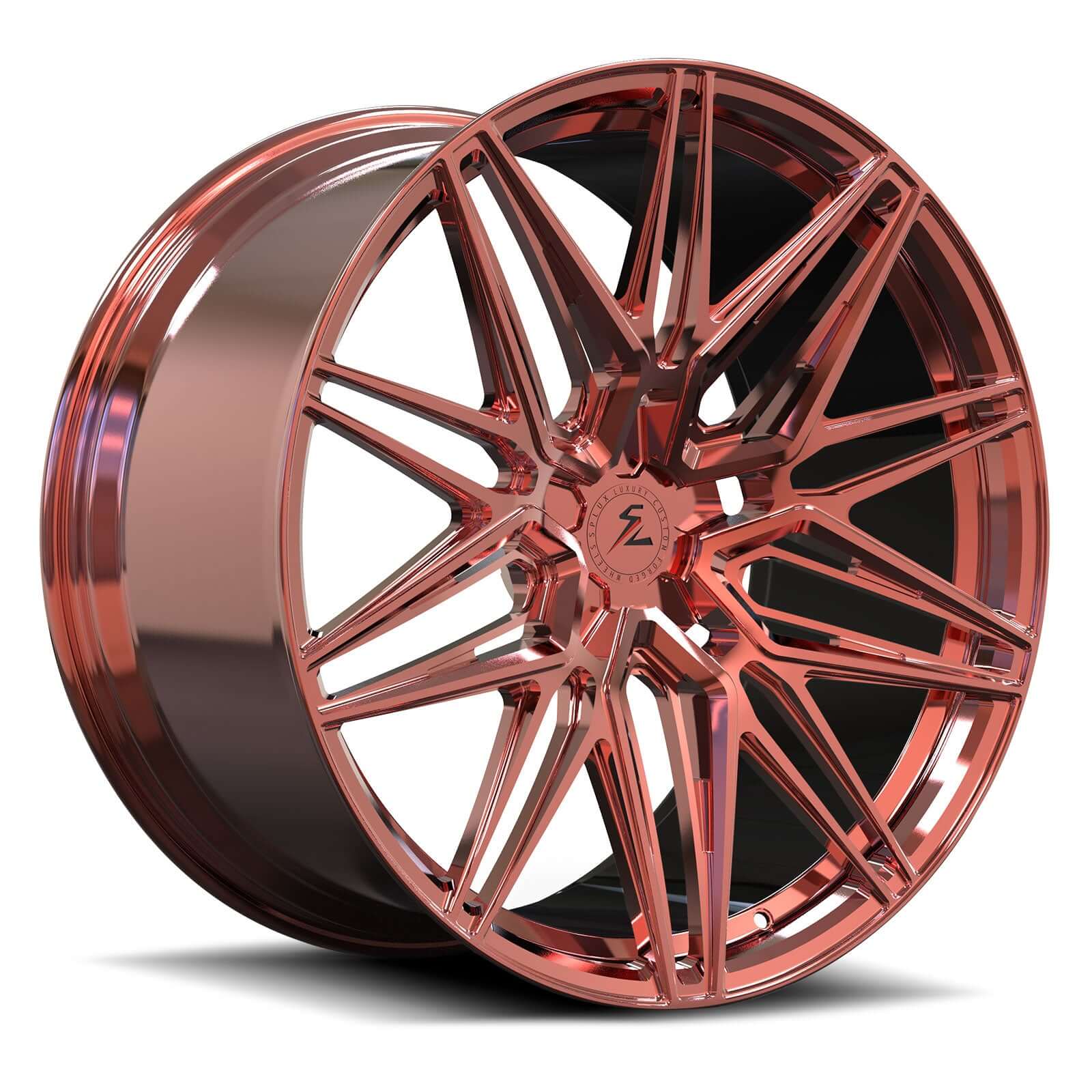
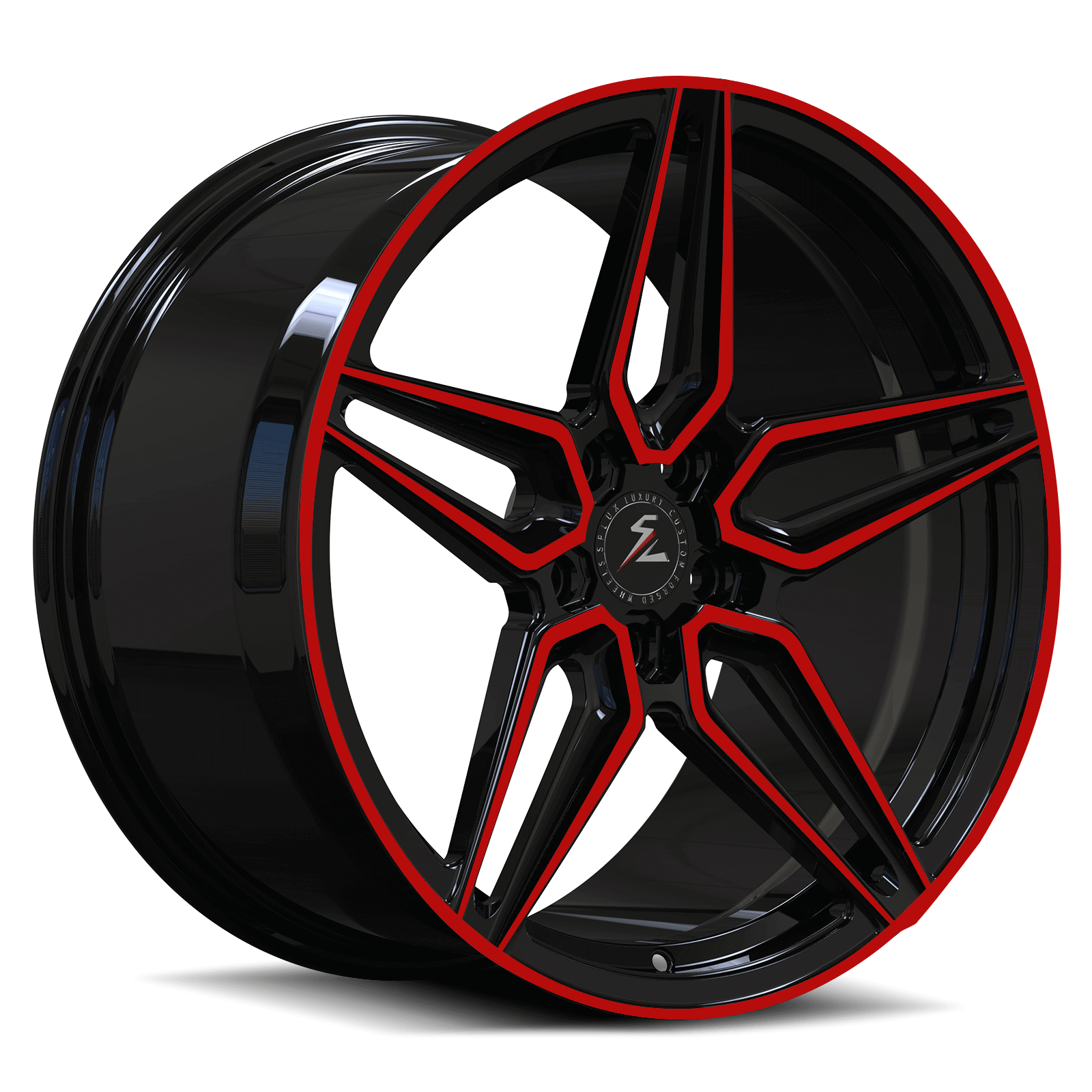


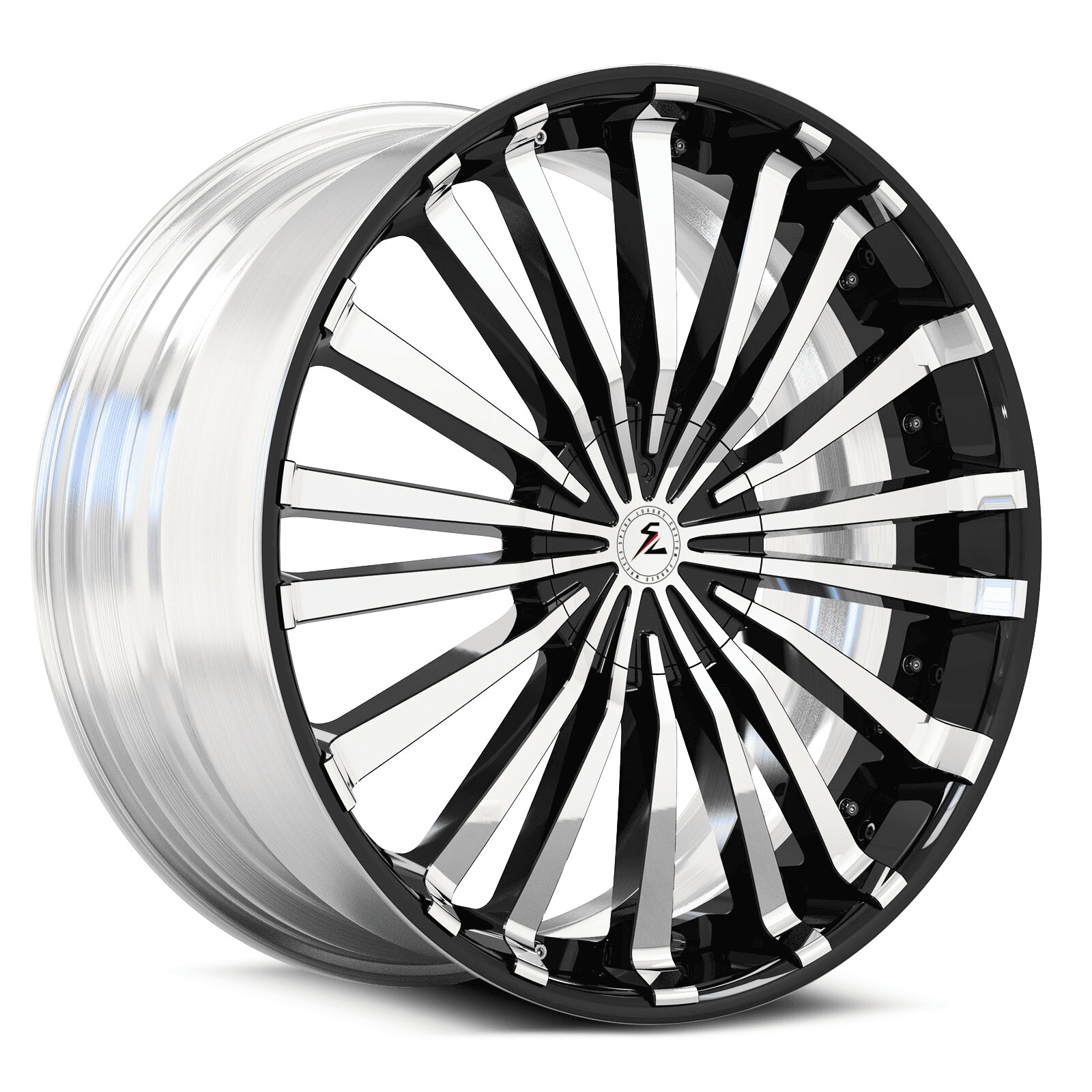


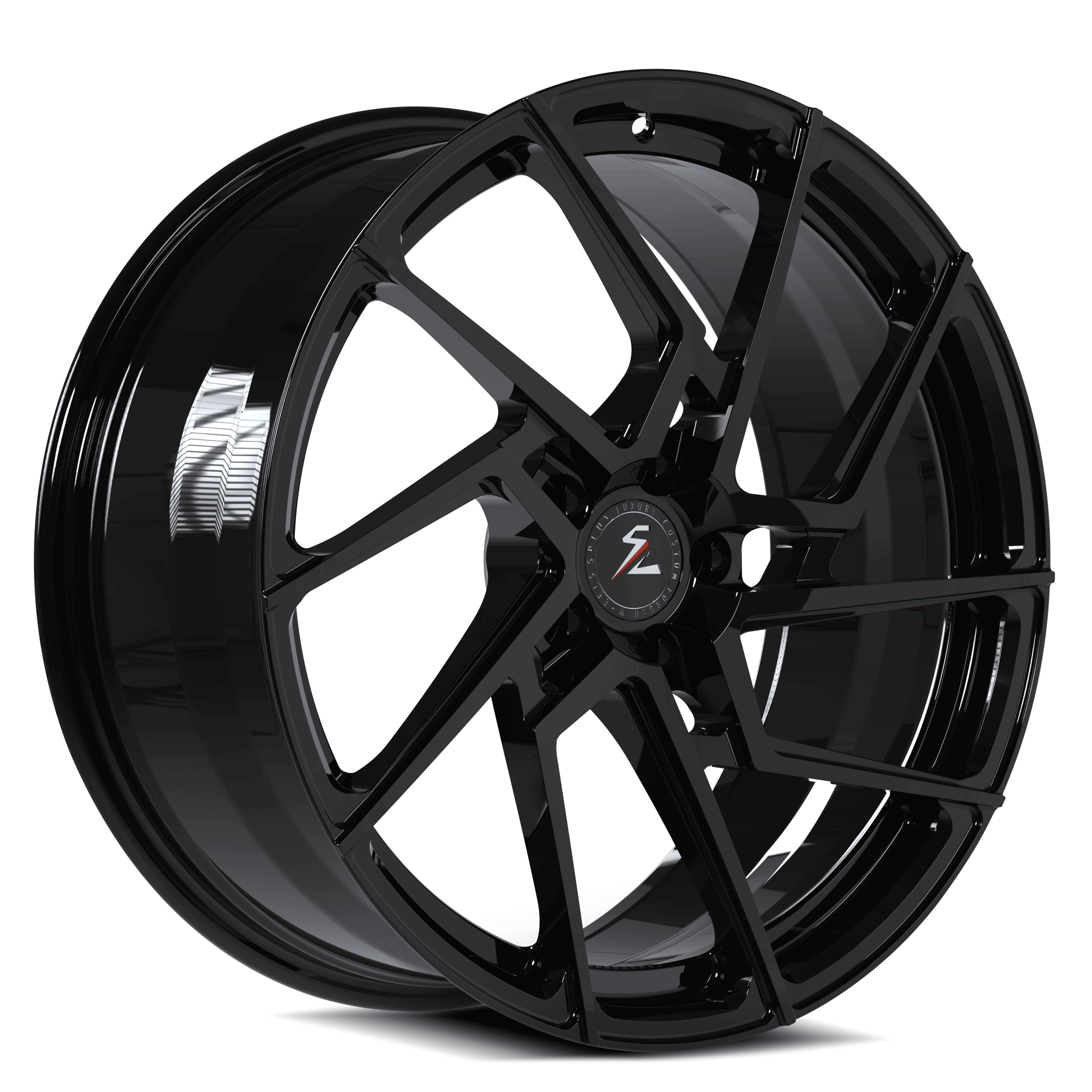

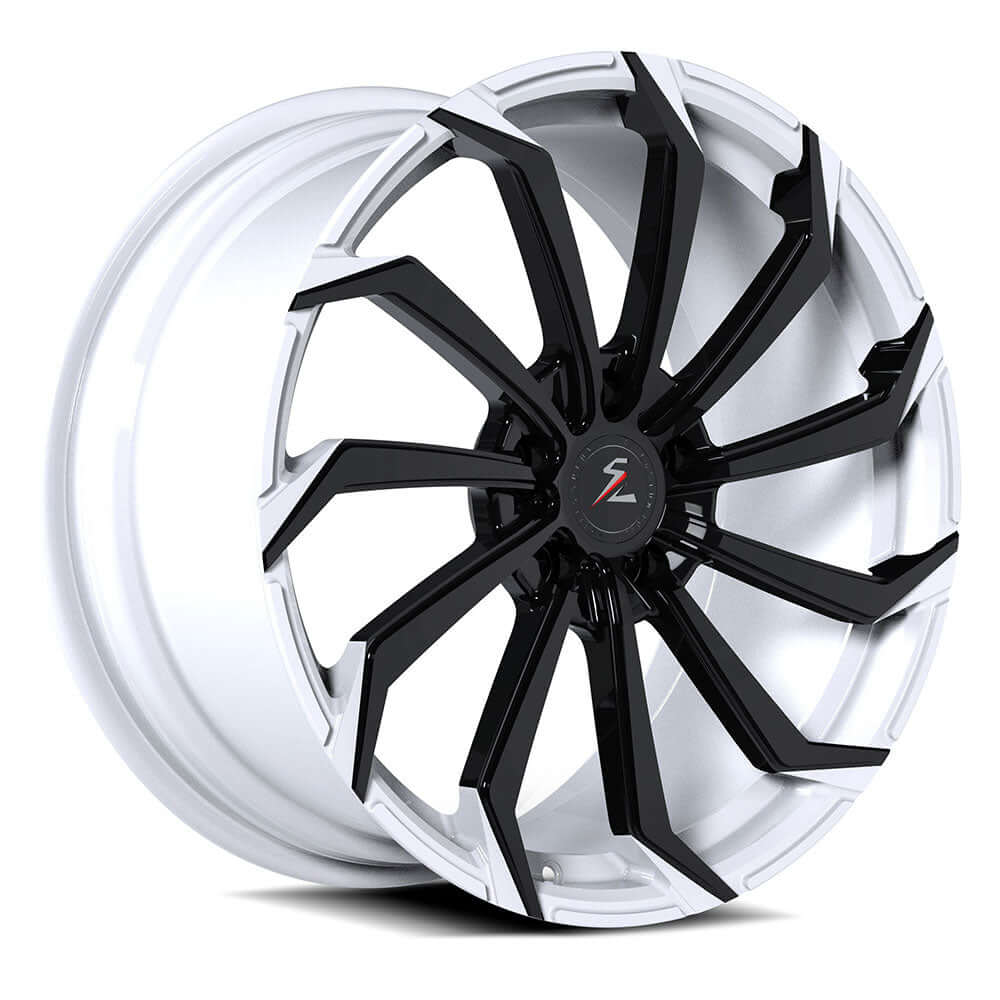
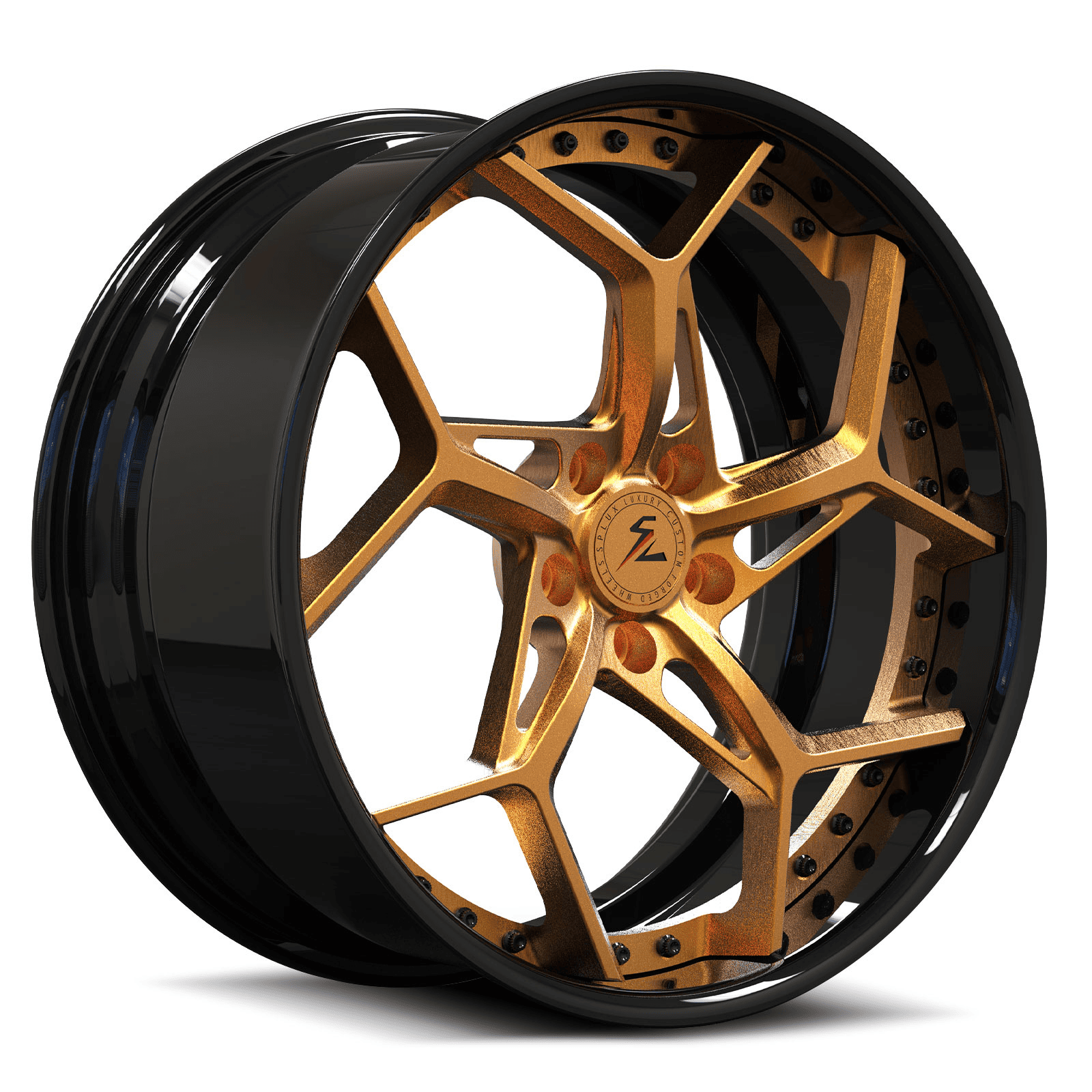


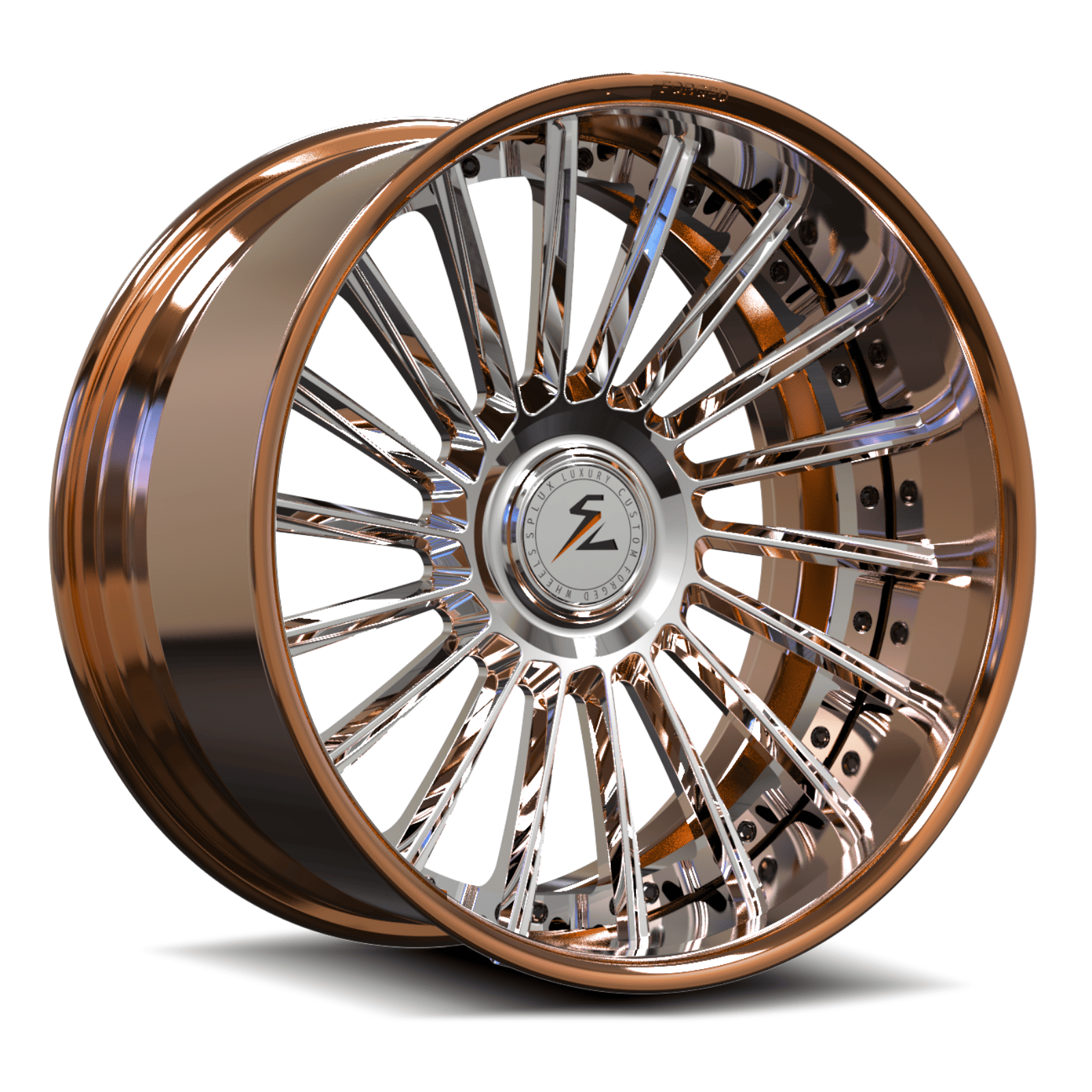


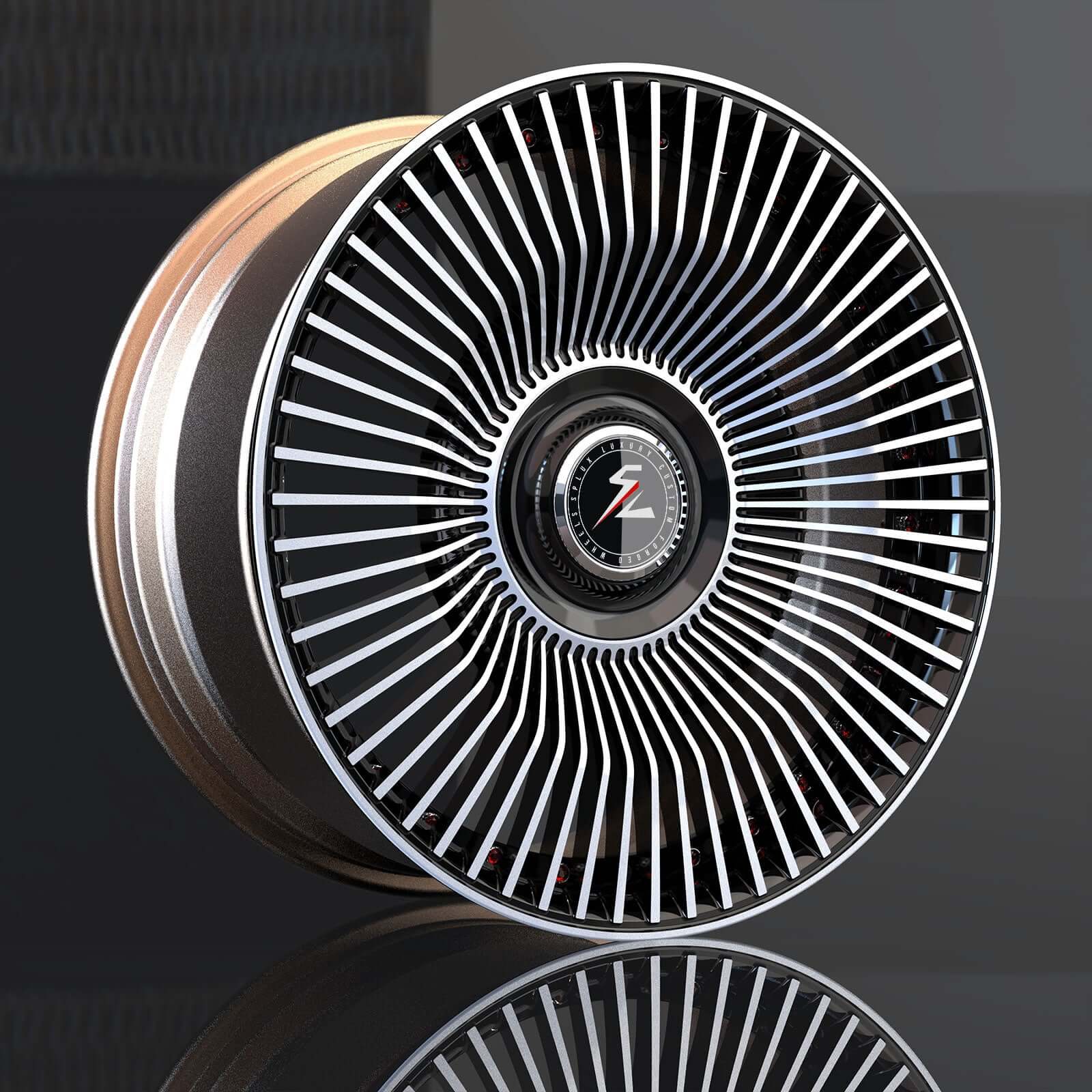



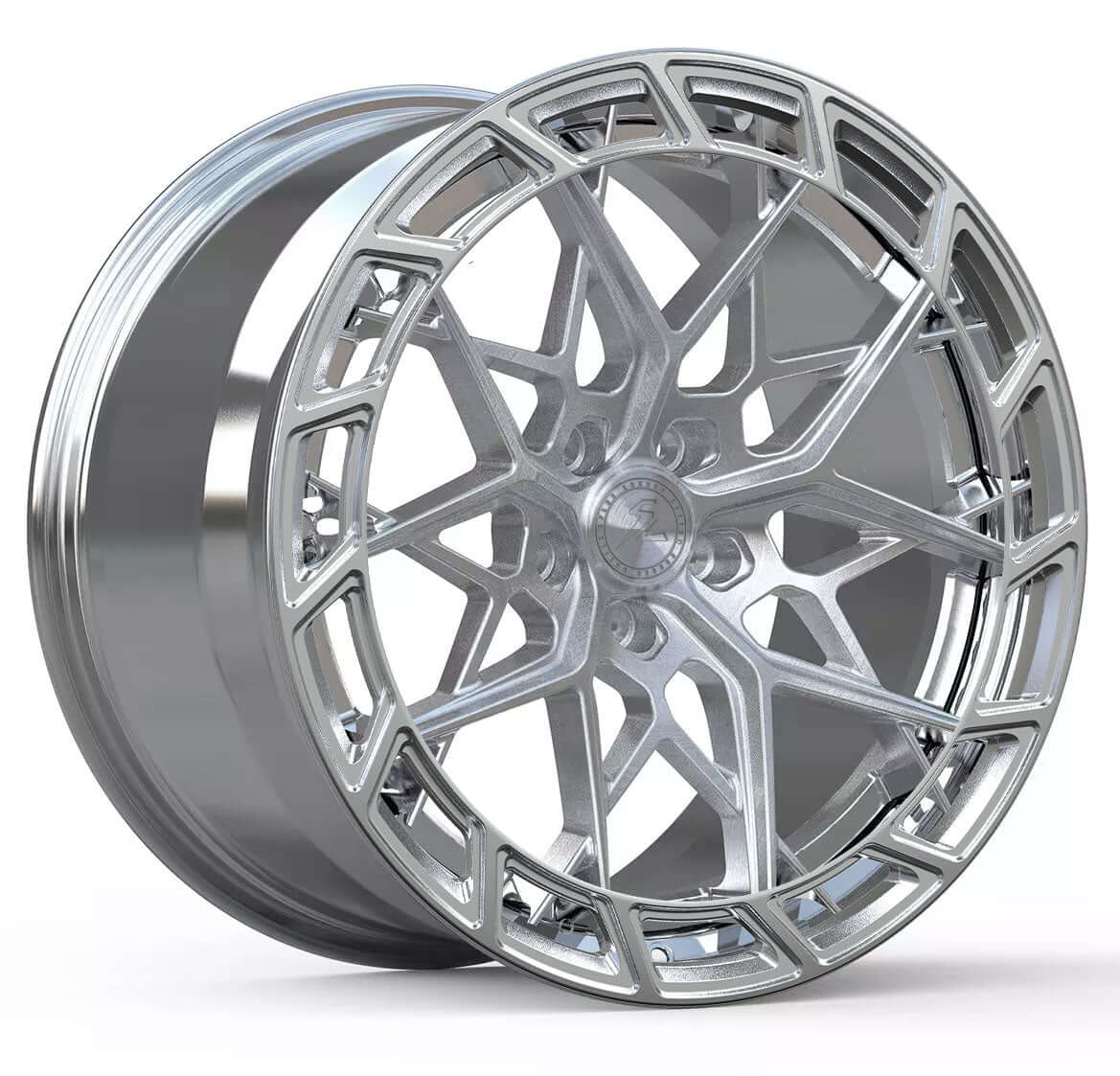


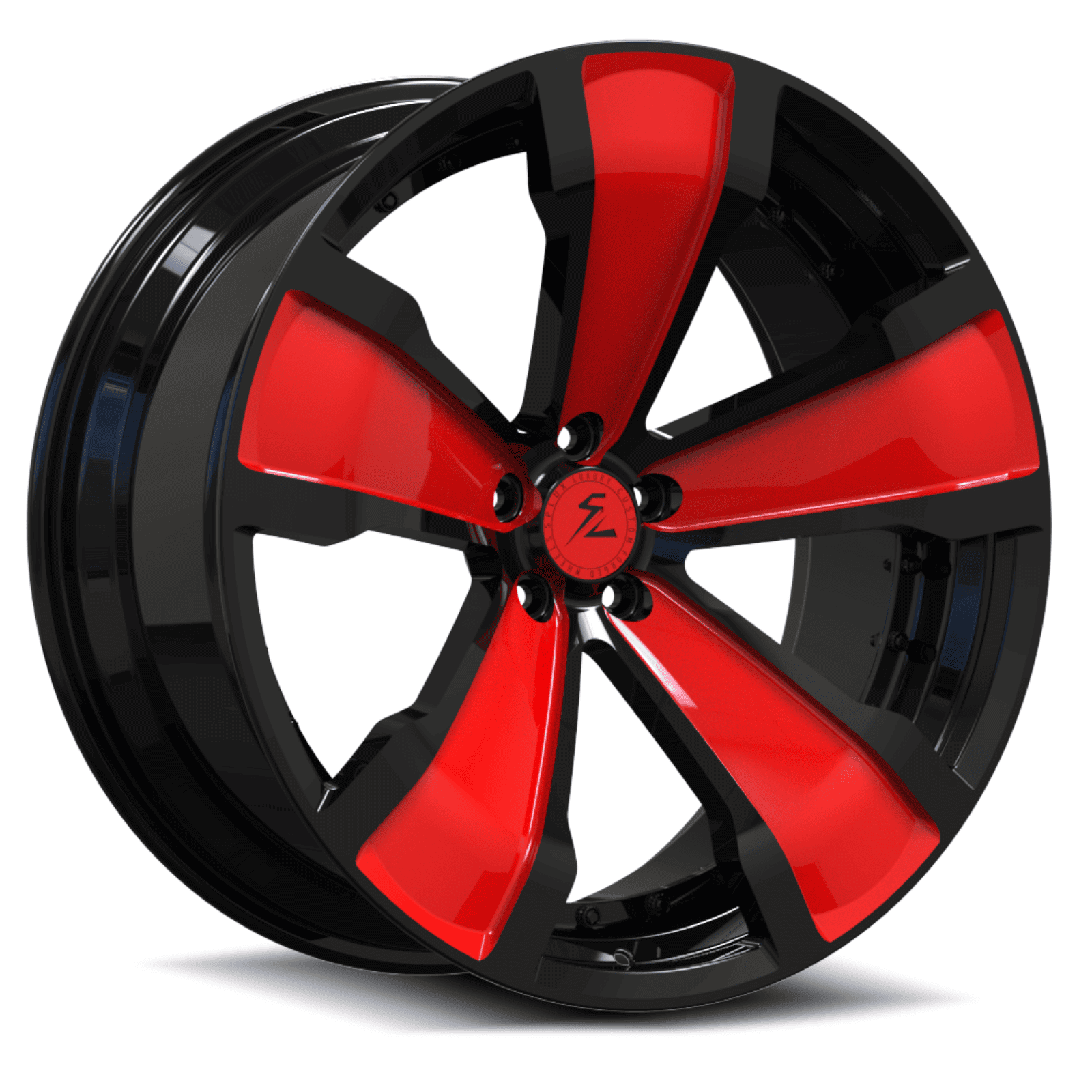
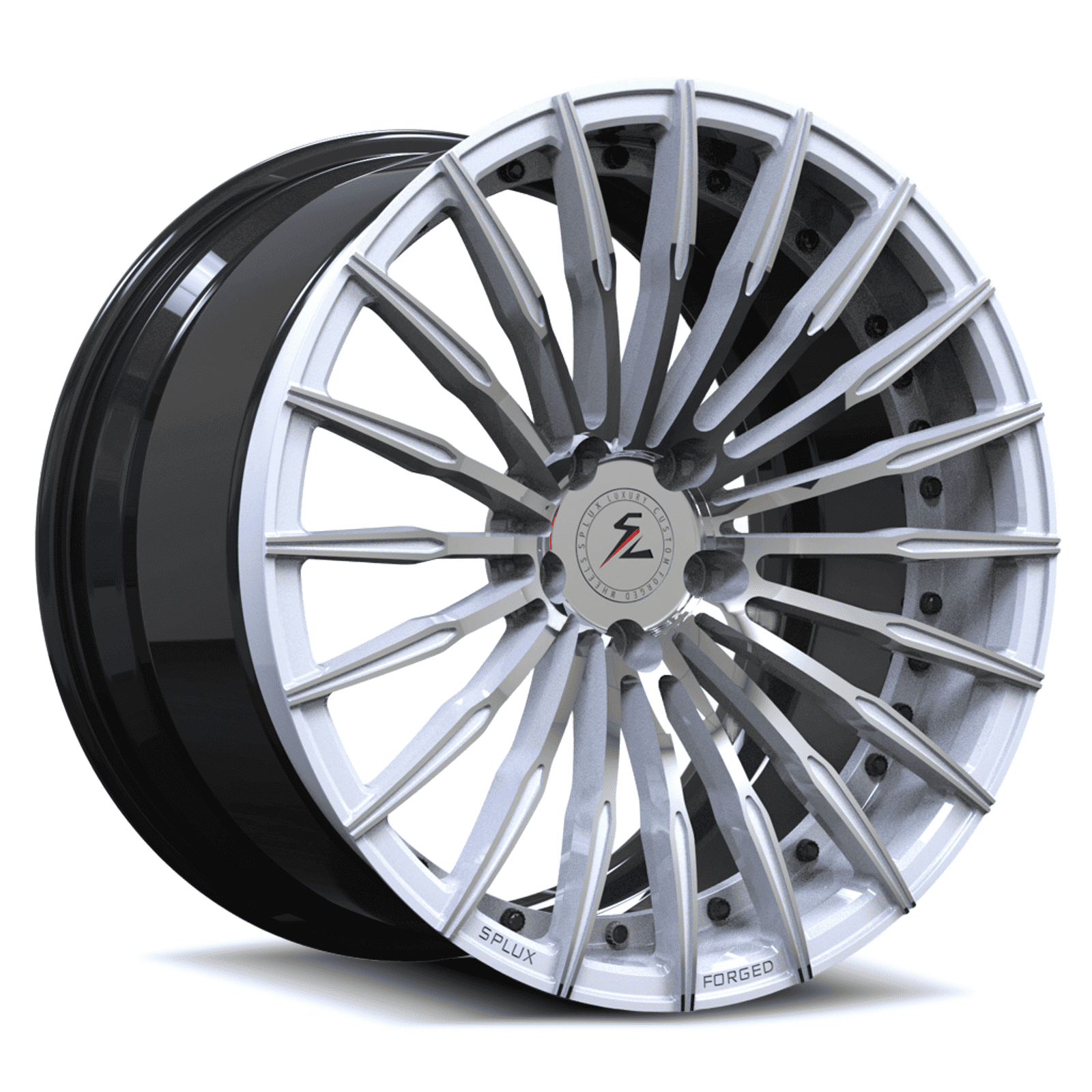


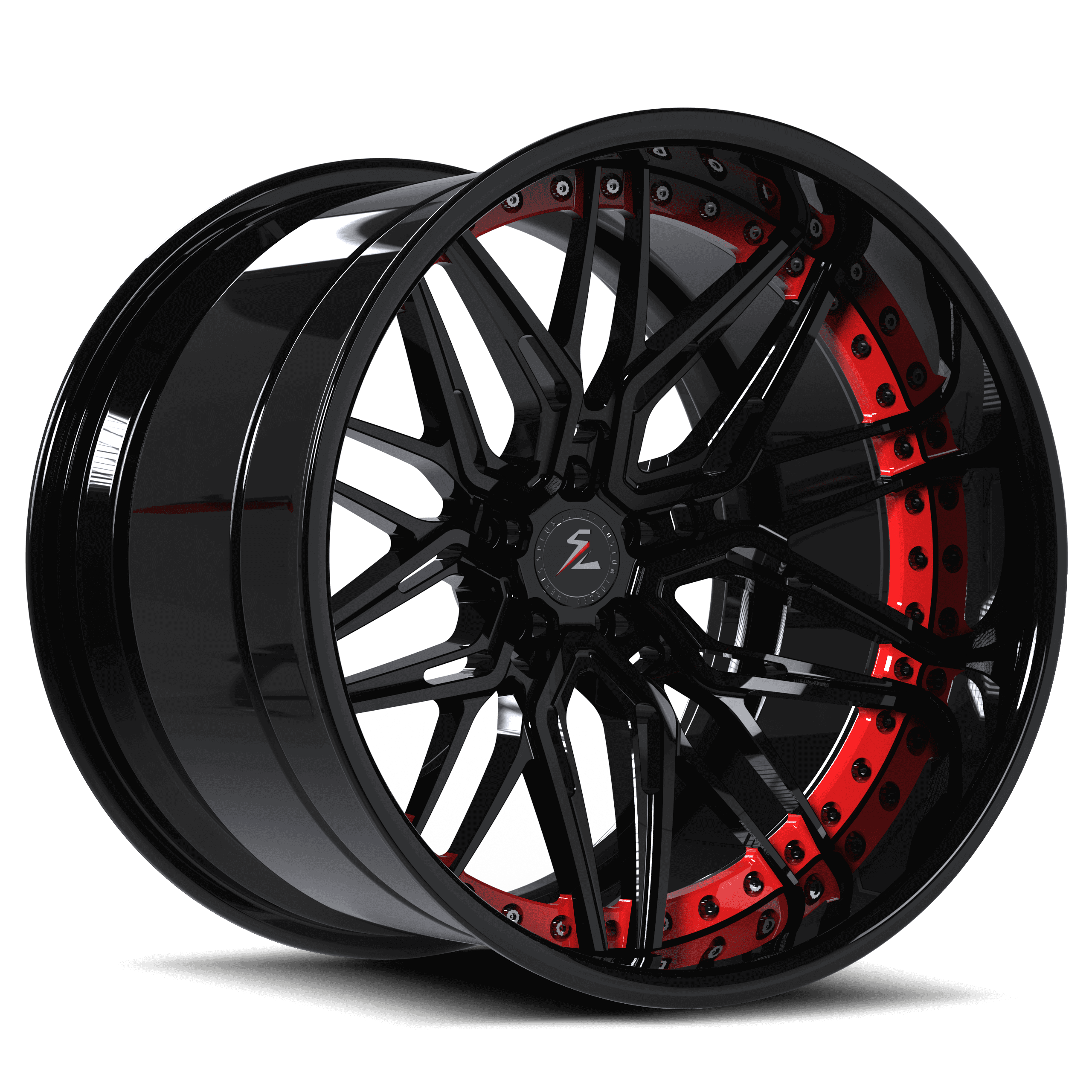

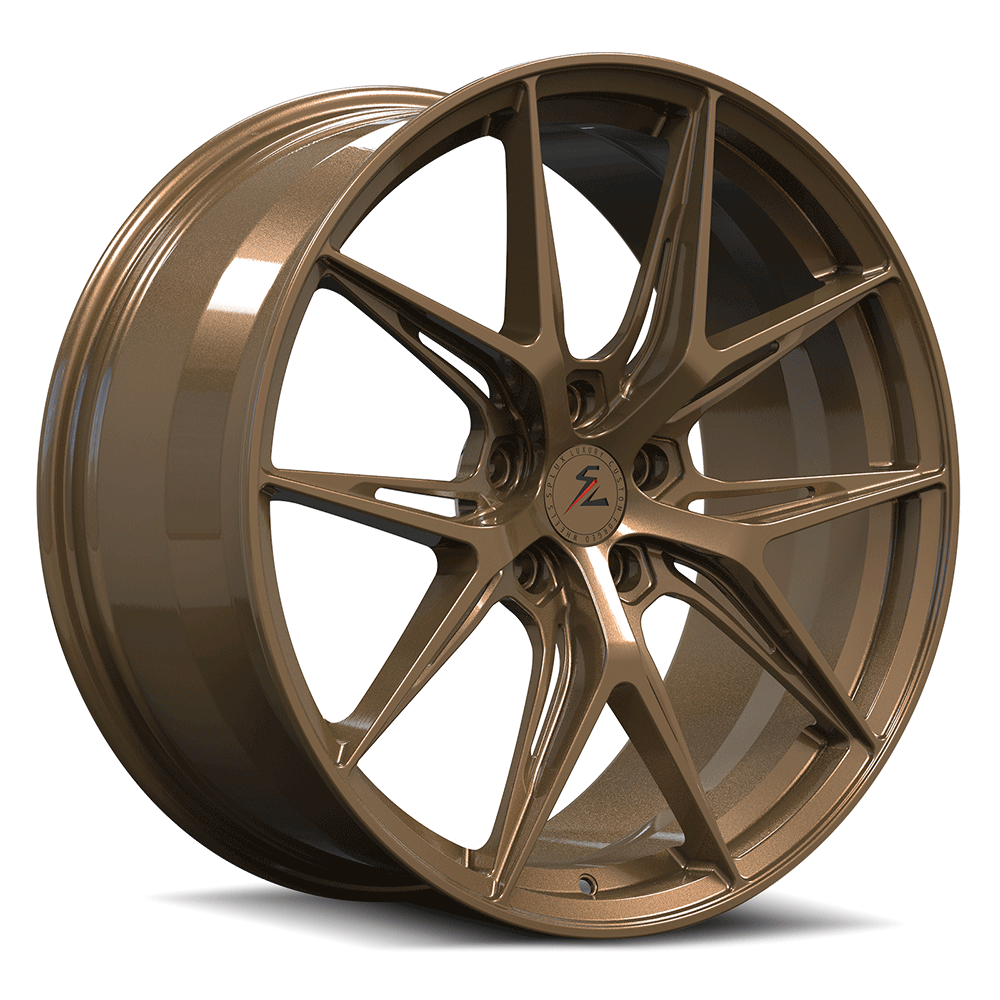




Why Chrome Still Dominates
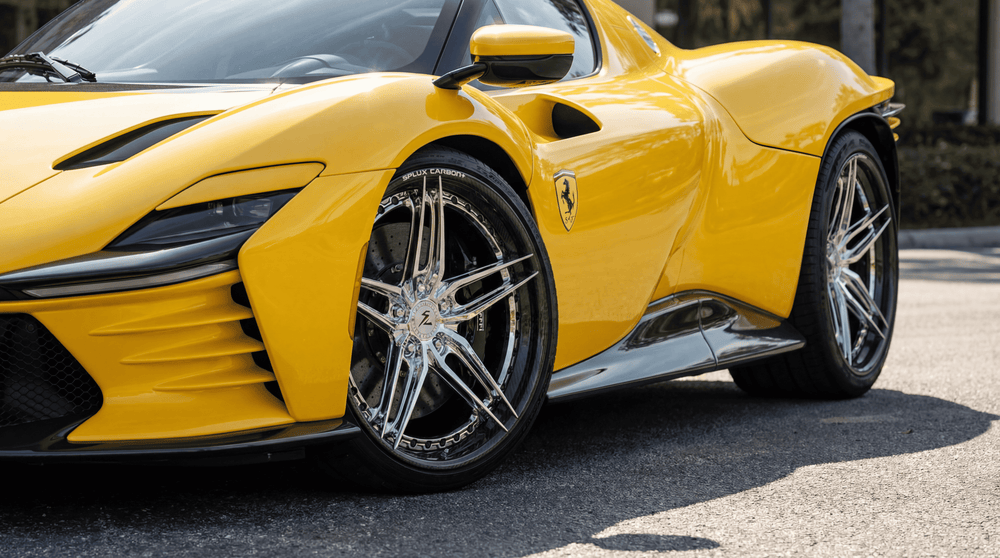
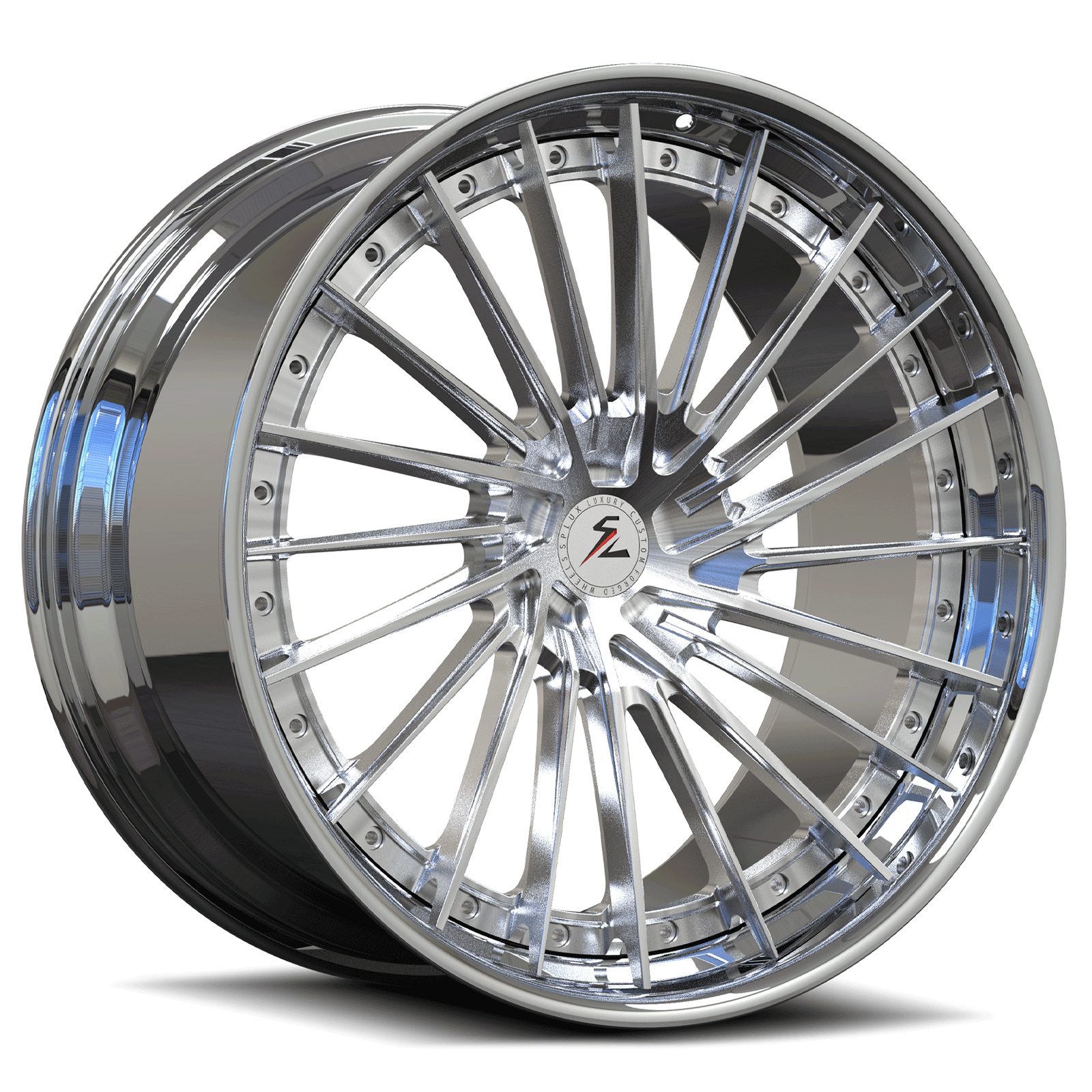
In the automotive scene, chrome wheels have never disappeared—they’ve evolved.
From classic muscle cars to modern luxury builds, chrome represents something deeper than finish. It signals presence, confidence, and visibility. In a culture shaped by long highways, open skies, and car shows, wheels aren’t just functional—they’re meant to be seen.
Chrome delivers what few finishes can:
- Maximum light reflection under direct sun
- A visual “pop” that stands out even at distance
- A premium, unmistakable identity on the road
For many enthusiasts, chrome is not a trend.
It’s a statement.
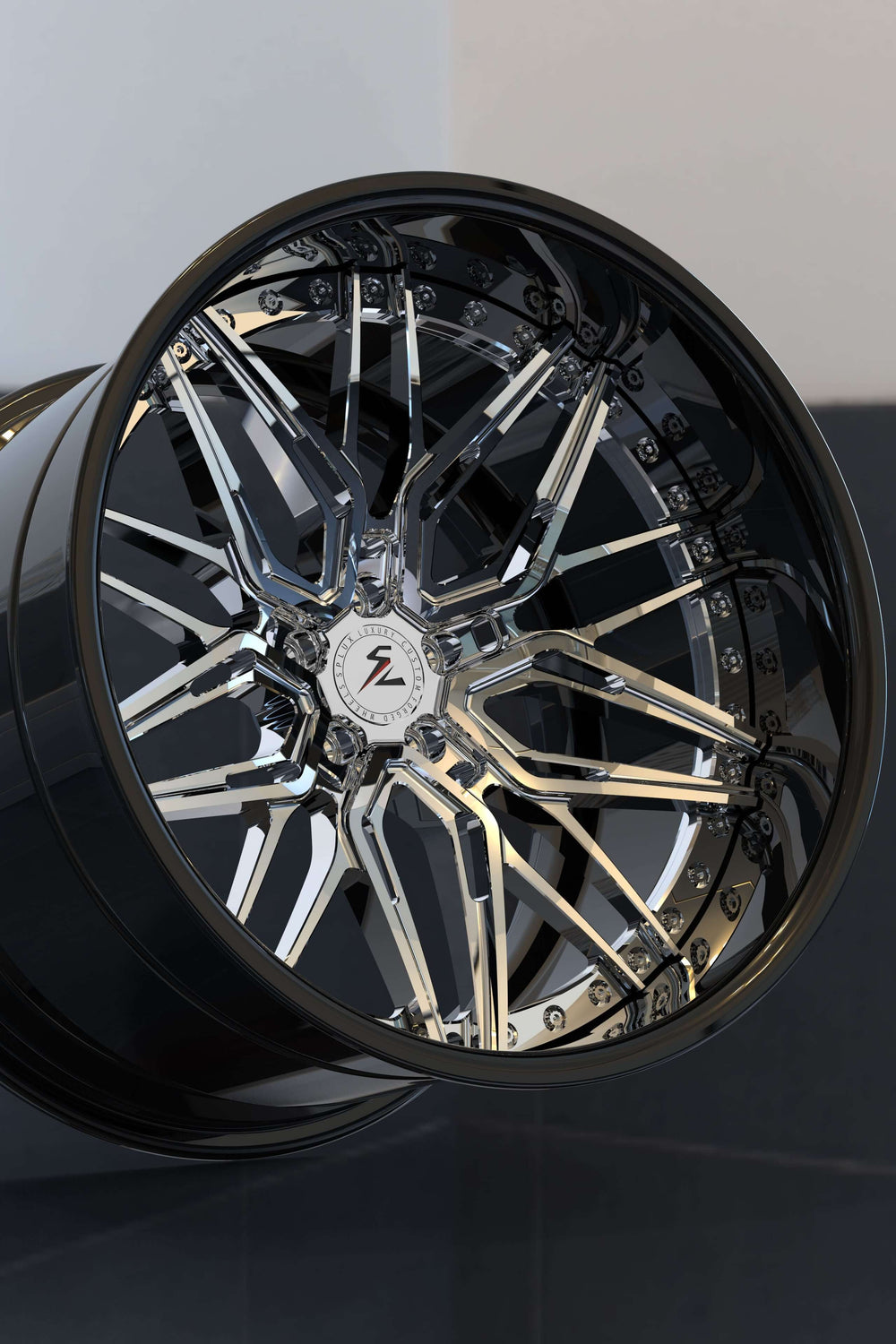
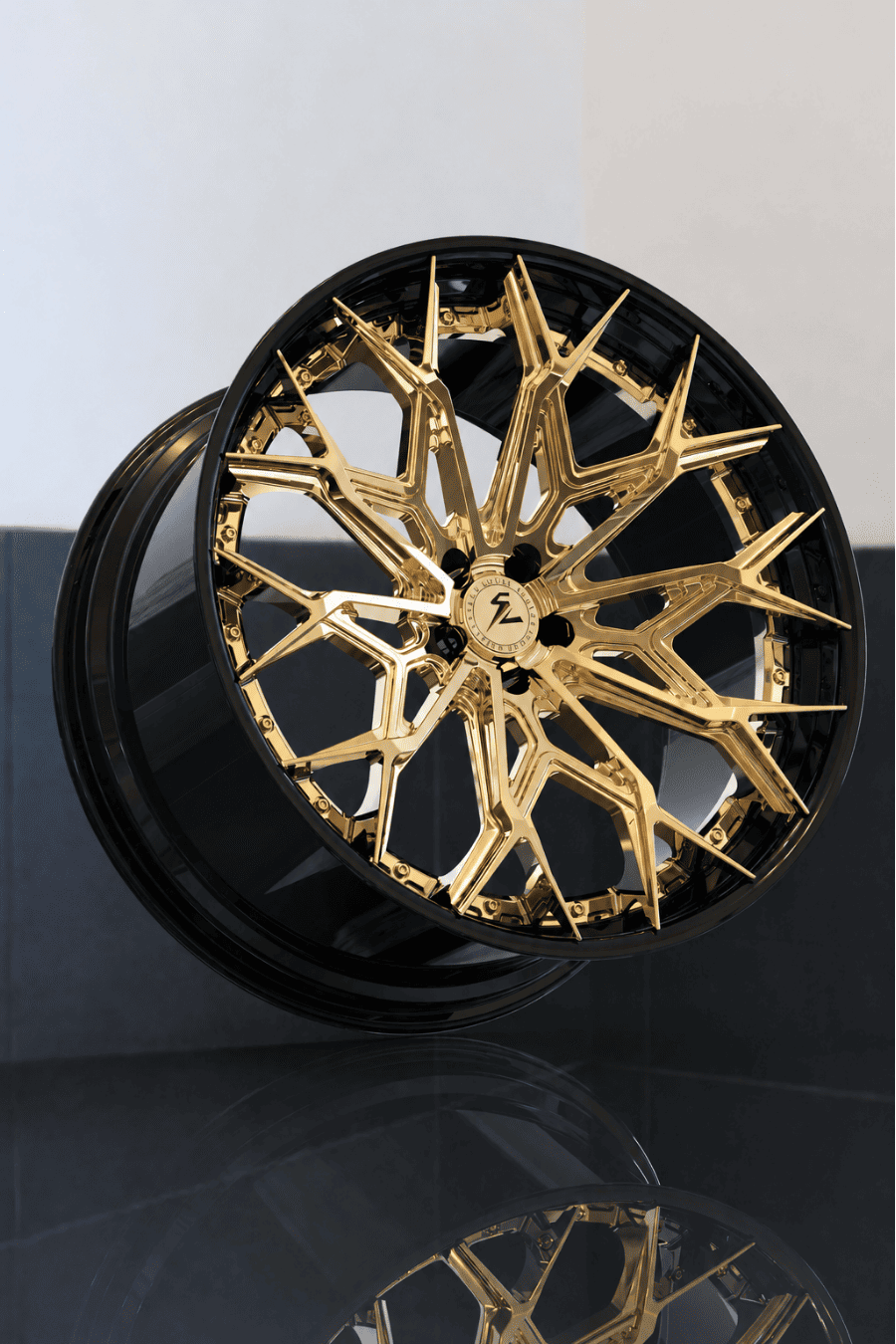
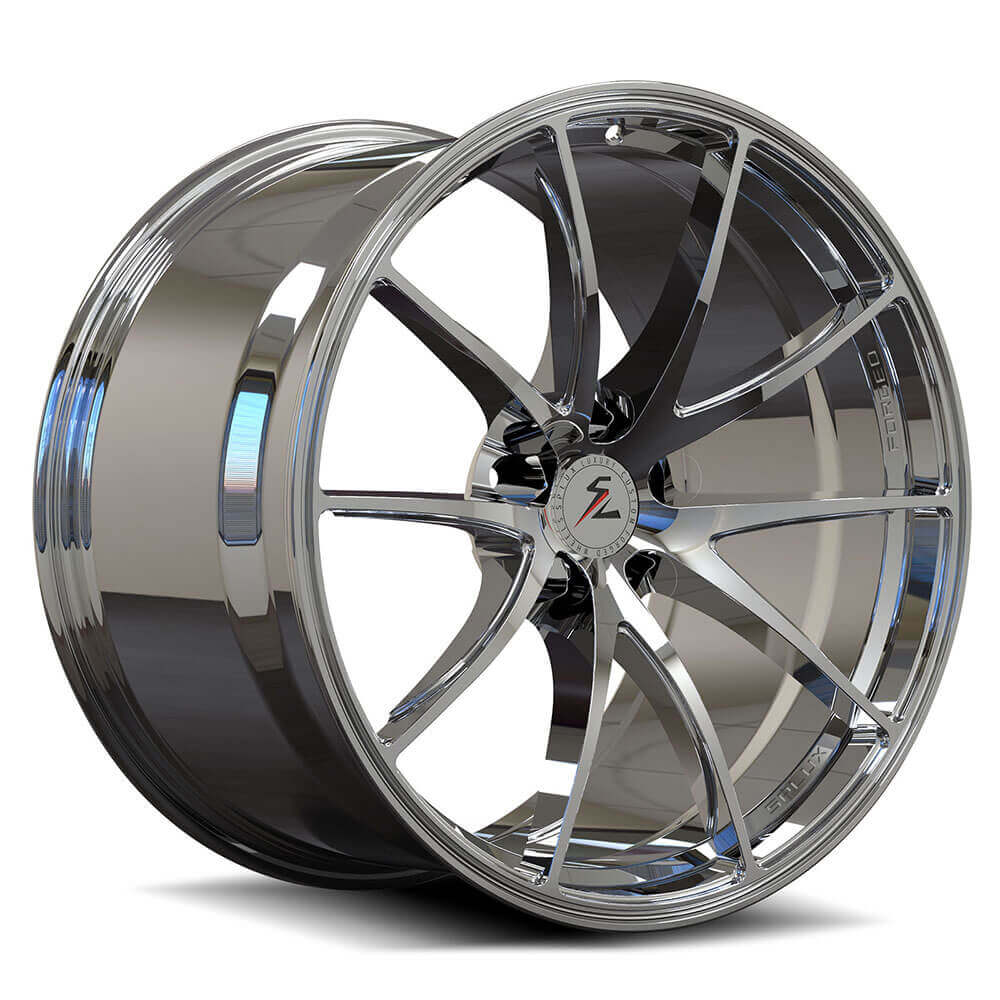
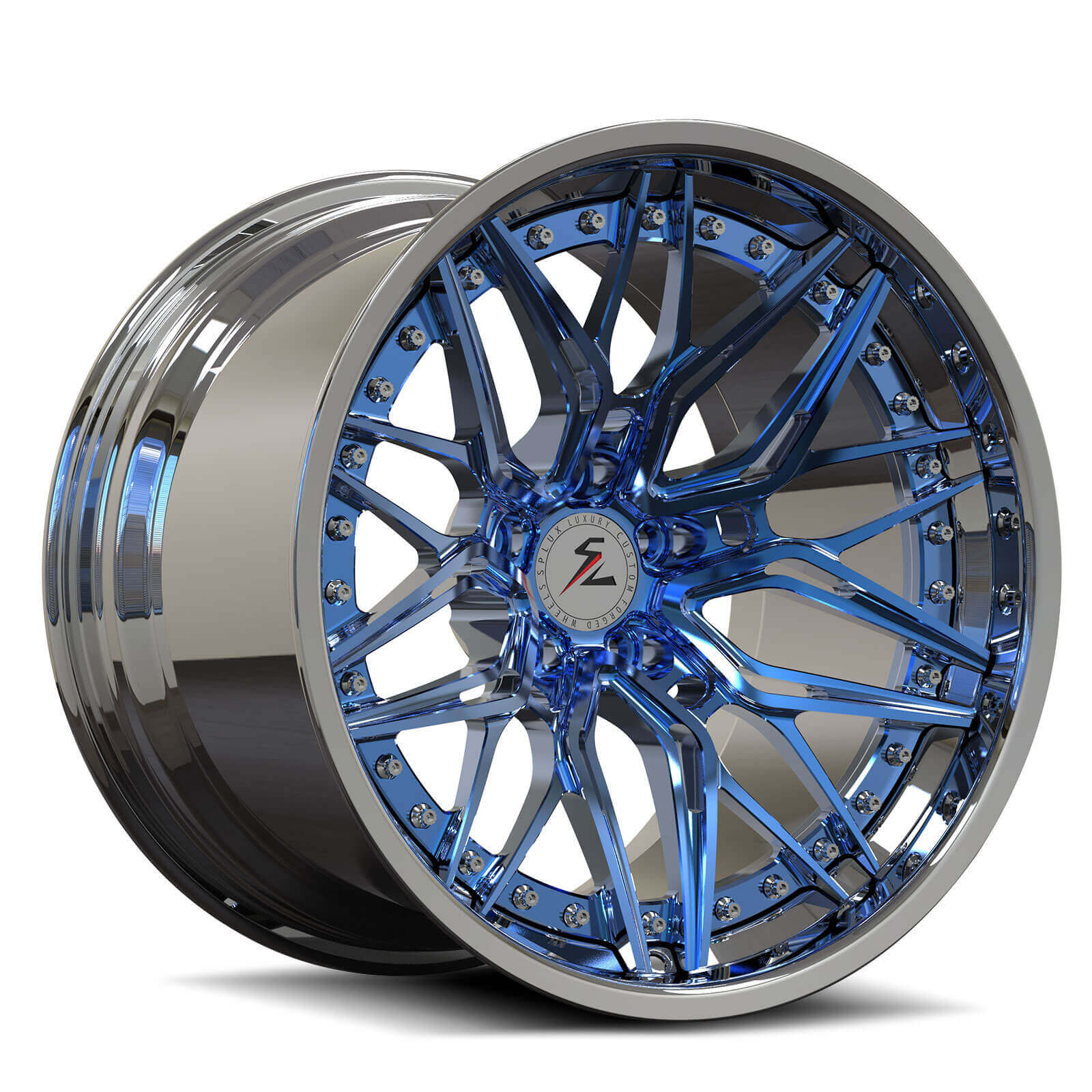
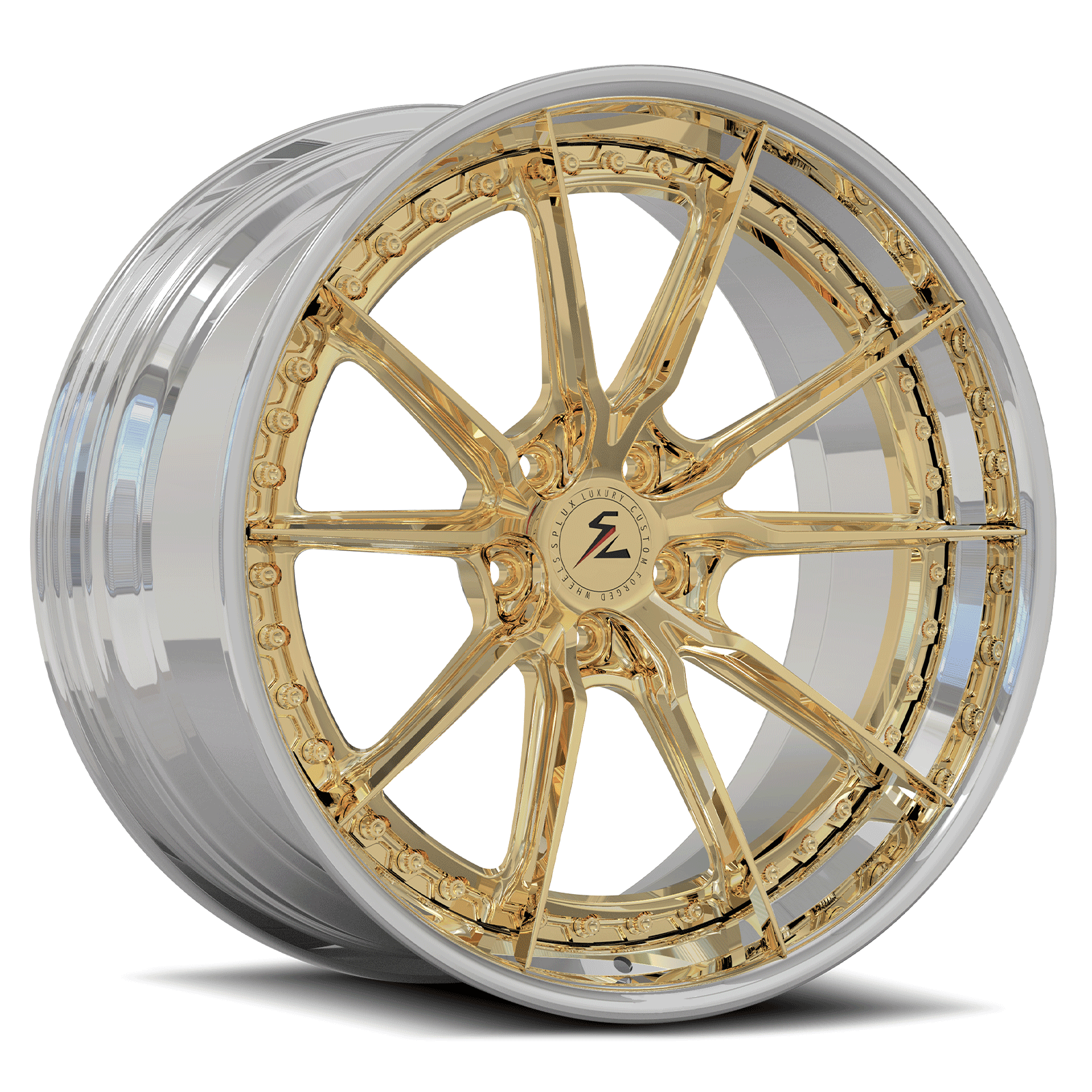
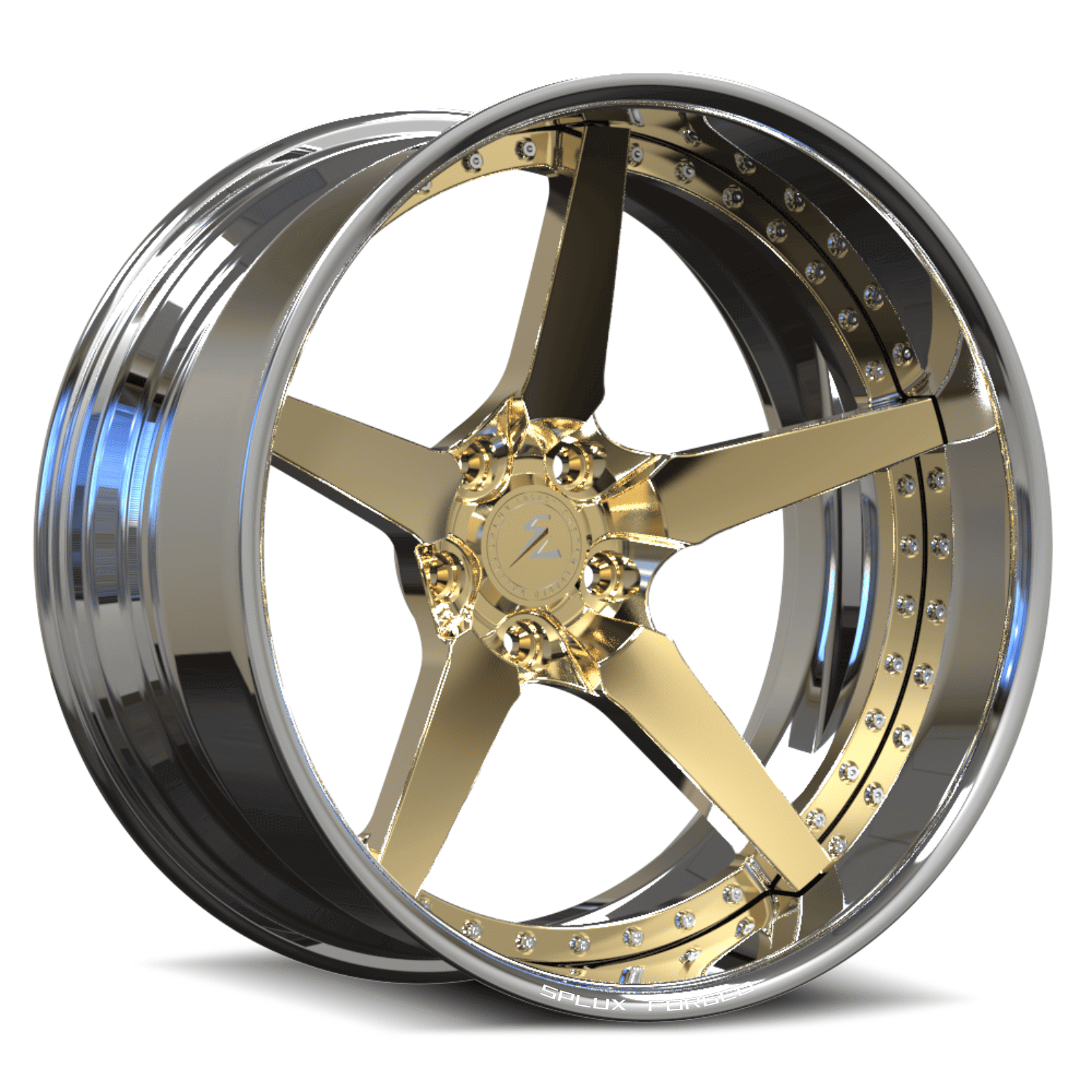
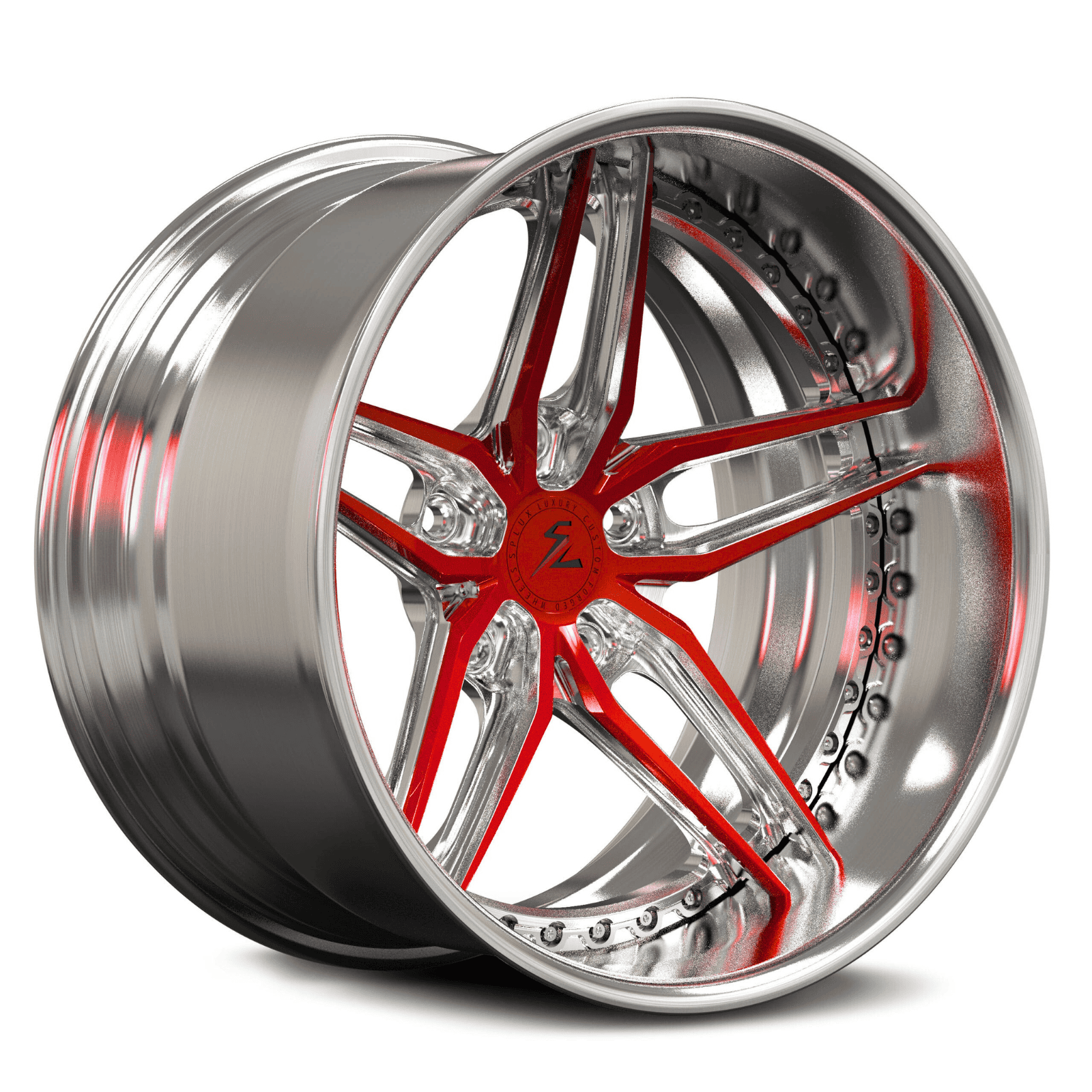
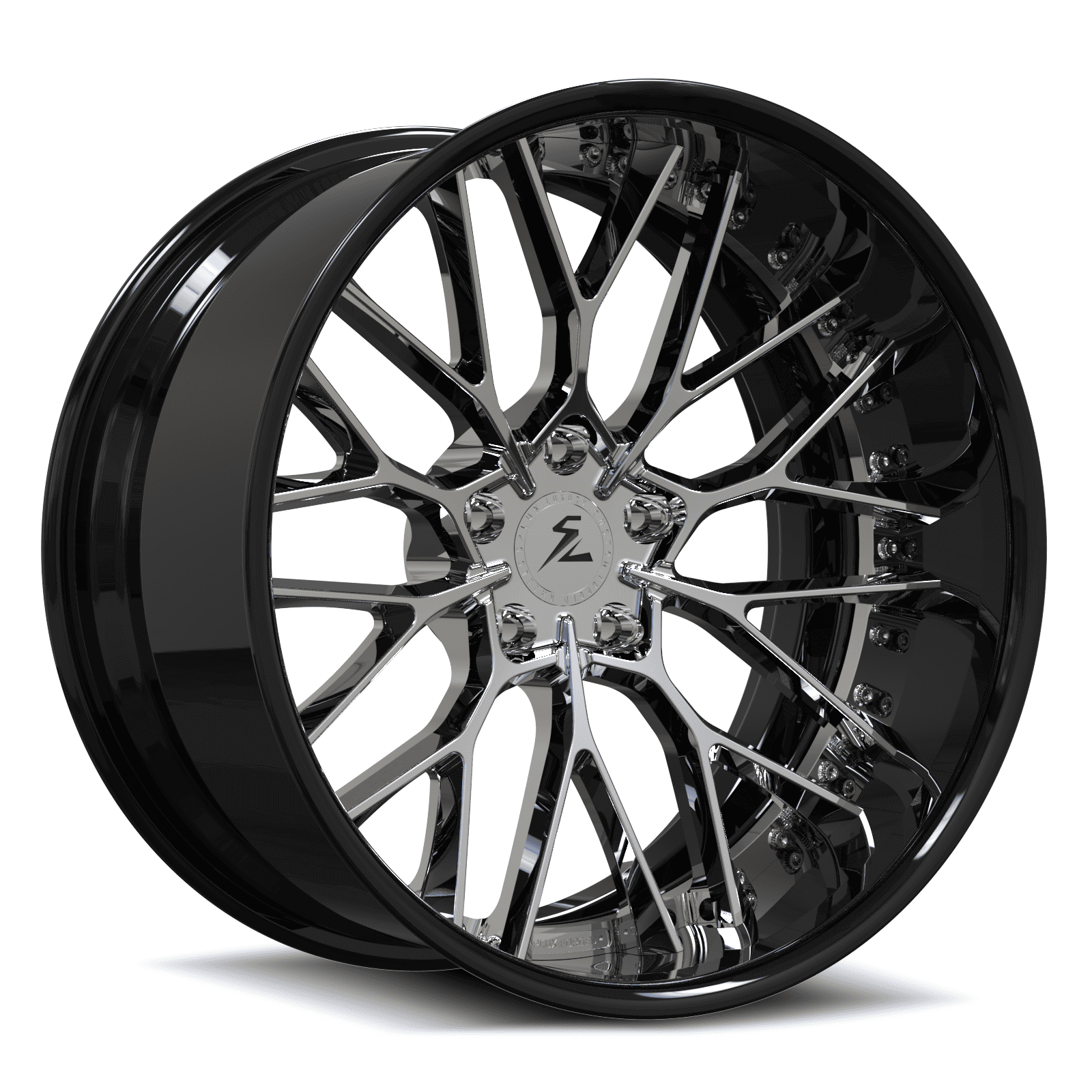
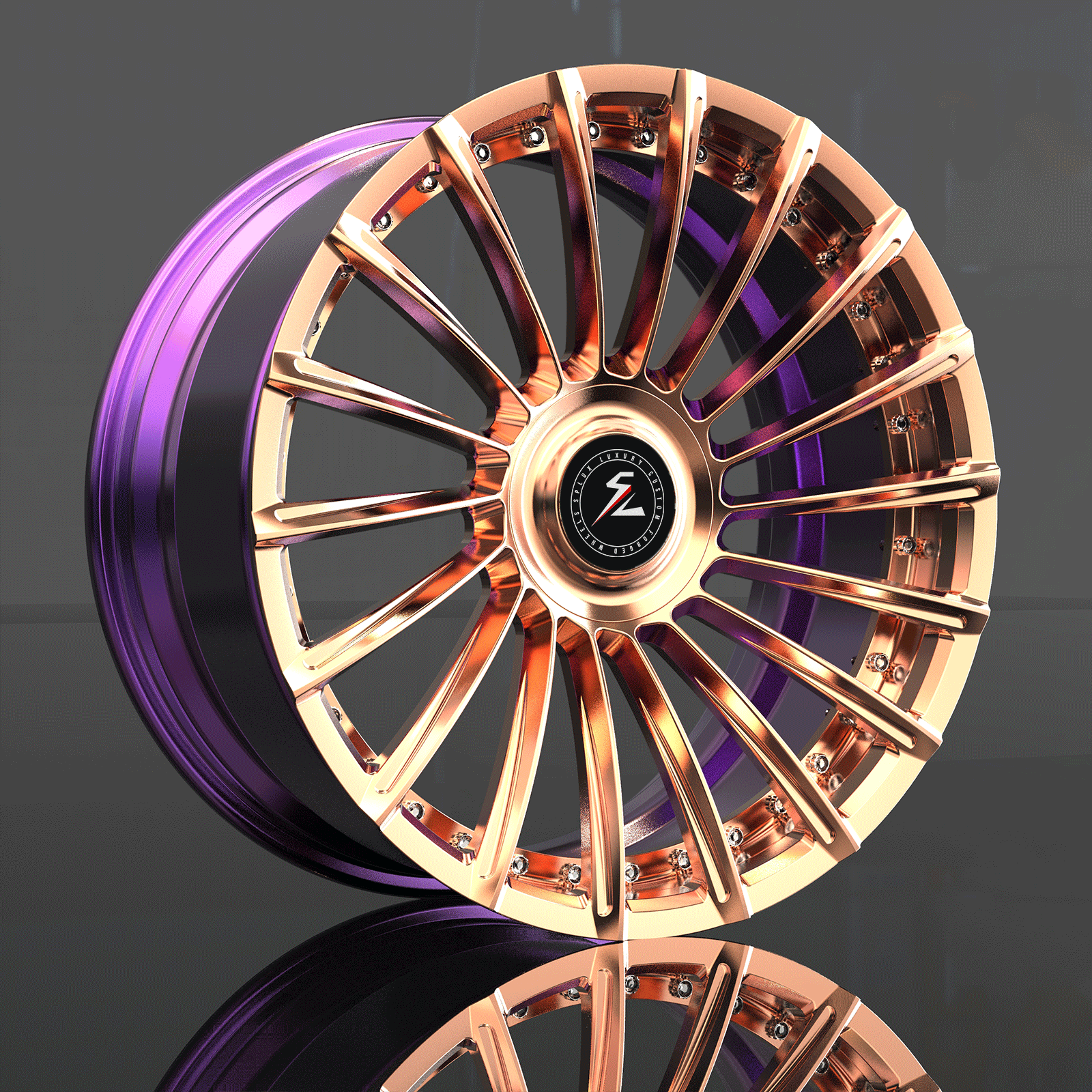
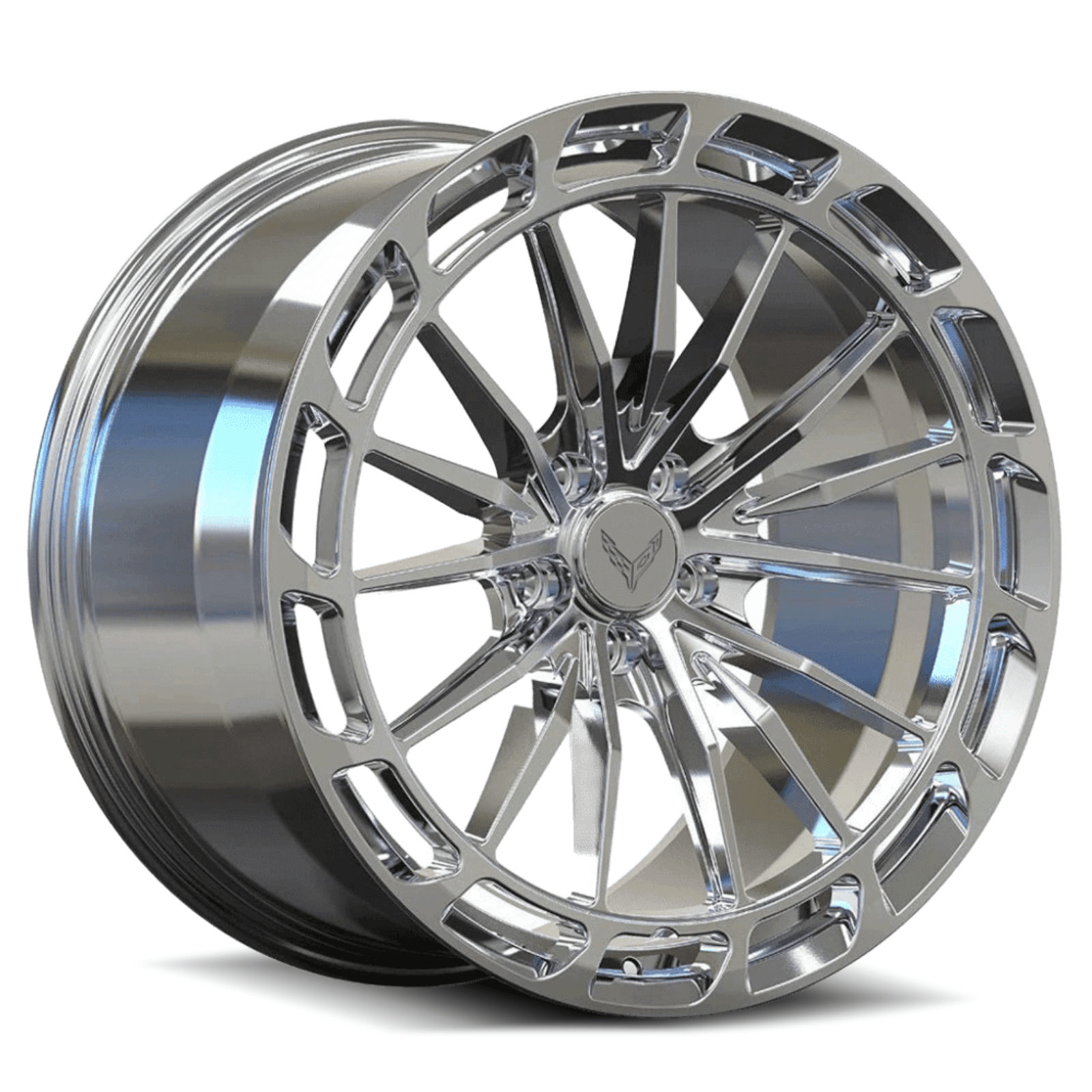
At the high end of the market—where Splux chrome wheels exist—chrome is no longer about flash.
It’s about precision finishing, depth, and flawless execution.
And that level of finish comes with one reality:
It cannot be treated like a standard wheel.

Precision Finished. No Margin for Error.
Chrome wheels are not just a surface treatment—they are a layered, engineered finish designed to deliver depth, reflectivity, and presence at the highest level.
That same precision also means one thing:
Improper care will cause irreversible damage.
Care for chrome is not about routine— it’s about understanding its limits.

PROHIBITED ACTIONS
Chemical Damage
Do not use acidic cleaners or iron removers
(especially those containing hydrofluoric acid / HF)
Even limited or short-term exposure can etch the surface and destroy the protective layer.
Use at your own risk does not eliminate damage—it only limits liability.
Surface Abrasion
Do not use abrasive tools or materials
Including but not limited to:
steel wool, hard brushes, scouring pads, magic erasers, or any mechanical abrasion tools.
These will permanently scratch the surface and degrade the finish.
Coating Destruction
Do not use metal or chrome polishes
(e.g. Autosol, Mother's)
These products are designed to cut into metal surfaces. On chrome wheels, they will wear down or remove the clear protective coating, leading to long-term failure.

Thermal Risk
Do not clean wheels while they are hot
Heat accelerates chemical reactions and can cause staining, etching, or uneven drying patterns that cannot be corrected.
Mechanical Damage
Do not use automatic car washes with brushes
Brush contact introduces micro-scratches and edge damage, especially on high-precision finishes.
High-Pressure Impact (Critical)
Do not use high-pressure water under any circumstances
This is a strict prohibition.
High-pressure water can:
- Penetrate and weaken protective coatings
- Damage edge structures and finish integrity
- Accelerate long-term corrosion beneath the surface
No angle, no distance, no setting is considered safe.

Contamination Risk
Do not allow contaminants to remain on the surface
Including:
brake dust, bird droppings, tree sap, tar, and road residues.
These substances chemically react with the finish over time and will cause staining or etching.
Chemical Transfer
Do not allow tire dressings or silicone-based products to contact the wheel surface
Overspray or runoff can create uneven gloss patches, staining, and long-term coating degradation.
Water Spotting
Do not allow water to air dry on the surface
Mineral deposits will leave visible spotting, especially on chrome finishes where reflectivity amplifies imperfections.
Environmental Exposure
Do not expose wheels to prolonged salt-heavy environments
Including:
coastal regions and salted winter roads.
Salt accelerates corrosion and can compromise the finish at a structural level.
Final Notice
Chrome wheels are a statement of precision and presence.
They demand the same level of discipline in care as they do in engineering.
Every restriction above exists for one reason:
to prevent damage that cannot be undone.